
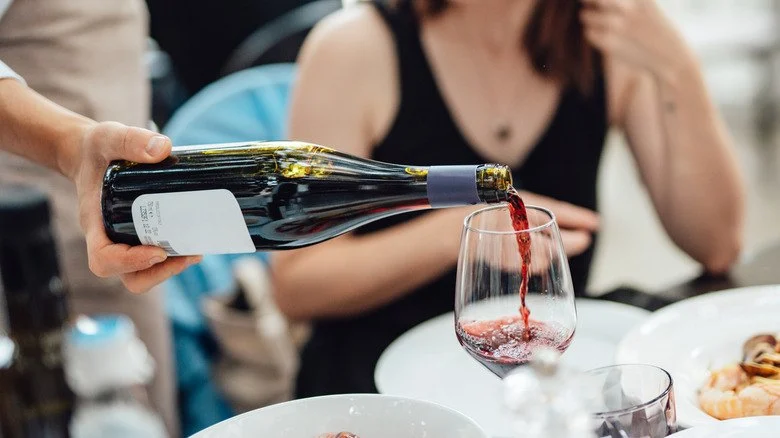
- -Why-Ordering-Wine-at-a-Restaurant-Feels-Intimidating
- -Understanding-the-Restaurant-Wine-List
- -Simple-Strategies-to-Choose-the-Right-Wine
- -How-to-Communicate-with-the-Server-or-Sommelier
- -Wine-Pairing-Basics-for-Everyday-Diners
- -Common-Mistakes-People-Make-When-Ordering-Wine
- -Building-Confidence-When-Ordering-Wine
1. Why Ordering Wine at a Restaurant Feels Intimidating
1.1 The Psychology Behind Wine List Anxiety
Many diners feel nervous when facing a restaurant wine list. The unfamiliar terminology, long lists of regions, and wide price ranges can make the experience feel overwhelming—especially if you're new to wine.
In fact, a study published by Wine Intelligence found that many casual wine drinkers avoid ordering wine in restaurants simply because they fear choosing the “wrong” bottle. This anxiety is surprisingly common, even among people who regularly enjoy wine at home.

1.2 A Viral Story That Sparked a Conversation
A few years ago, a restaurant guest posted a viral TikTok video describing how a server handed them a 30-page wine list with no guidance. The video resonated with thousands of viewers who admitted they often felt lost when ordering wine at restaurants.
The takeaway? Most people are not wine experts—and restaurants generally expect that. Learning a few practical wine ordering tips can transform the experience from stressful to enjoyable.
1.3 Wine Should Enhance the Dining Experience
Wine is meant to complement your meal and elevate the experience. When you approach ordering wine with curiosity rather than pressure, it becomes a fun part of dining out rather than a stressful decision.
Many diners browsing restaurant recommendations on Brunch & Snack Chat often discover restaurants known for approachable wine programs—places where staff are happy to guide guests through simple choices without making them feel intimidated.
2. Understanding the Restaurant Wine List
2.1 Why Wine Lists Are Organized the Way They Are
Restaurant wine lists are typically structured by region, grape variety, or wine style. Once you understand this structure, the list becomes much easier to navigate.
2.1.1 Common Wine List Categories
Most restaurants organize their wine selections into categories such as:
1. Sparkling wines
2. White wines
3. Rosé wines
4. Red wines
5. Dessert wines
Within each category, wines are usually grouped by country or region.
2.2 Understanding Price Ranges
Wine prices at restaurants can vary dramatically. A useful strategy is to scan the middle of the price range first. These wines are often carefully selected by the restaurant and offer the best balance between quality and value.
Professional sommeliers often recommend avoiding both the cheapest and most expensive options if you're unsure.
2.3 Glass vs Bottle
If you're unsure about committing to a full bottle, ordering wine by the glass is a great way to explore different styles without pressure.
Many restaurants now rotate wine-by-the-glass selections weekly, which allows diners to experiment with new flavors and regions.
3. Simple Strategies to Choose the Right Wine
3.1 Start with What You Already Like
One of the easiest ways to order wine confidently is to think about wines you’ve enjoyed before. If you know you like Pinot Noir or Sauvignon Blanc, you already have a starting point.
Restaurants often carry multiple options within each grape variety, making it easier to stay within your comfort zone while trying something new.
3.2 Choose Wine Based on Body
Wine body refers to how light or heavy a wine feels in your mouth.
3.2.1 Light-bodied wines
Examples include Pinot Grigio or Gamay. These are refreshing and work well with lighter dishes.
3.2.2 Medium-bodied wines
Examples include Merlot or Chardonnay. These wines pair well with a wide variety of meals.
3.2.3 Full-bodied wines
Cabernet Sauvignon or Syrah fall into this category and often pair with hearty dishes like steak or roasted meats.
3.3 Look for Staff Recommendations
Many restaurants highlight recommended wines on the menu. These are usually wines that the staff enjoys or bottles that pair especially well with the menu.
Restaurants featured on Brunch & Snack Chat often spotlight wine programs where the staff actively helps diners discover approachable bottles, making the process much less intimidating.
4. How to Communicate with the Server or Sommelier
4.1 Describe Your Preferences
You don't need to know wine terminology to ask for help. Simply describing flavors you enjoy—such as fruity, crisp, or smooth—gives the server enough information to recommend something suitable.
4.2 Be Honest About Your Budget
Many diners hesitate to mention a price range, but restaurant professionals actually appreciate this clarity. It helps them recommend wines that fit your expectations without awkward surprises when the bill arrives.
4.3 Ask for Similar Wines
A useful question is: “Do you have something similar to this wine?” If you recognize a familiar grape or region, the staff can suggest alternatives that match your taste preferences.
5. Wine Pairing Basics for Everyday Diners
5.1 Matching Intensity with Food
One of the simplest wine pairing rules is matching the intensity of the wine with the intensity of the dish.
For example, delicate seafood pairs well with lighter white wines, while grilled meats typically pair better with bold red wines.
5.2 Regional Pairings Often Work Naturally
Many traditional cuisines evolved alongside regional wines. Italian dishes often pair beautifully with Italian wines, and French cuisine frequently pairs well with wines from nearby regions.
5.3 Personal Preference Always Matters
Wine pairing guidelines are helpful, but they are not strict rules. If you enjoy a certain wine with a particular dish, that combination is perfectly valid.
6. Common Mistakes People Make When Ordering Wine
6.1 Choosing Based Only on Price
Price doesn't always indicate how much you'll enjoy a wine. Some moderately priced bottles offer exceptional quality and pair beautifully with restaurant dishes.
6.2 Feeling Embarrassed to Ask Questions
Restaurant staff are trained to help guests navigate the wine list. Asking questions is completely normal and often leads to better wine choices.
6.3 Overthinking the Decision
Many diners spend too much time worrying about the “perfect” wine. In reality, most wines offered by reputable restaurants are thoughtfully selected and enjoyable.
7. Building Confidence When Ordering Wine
7.1 Treat Wine as a Learning Experience
Every wine you try teaches you something about your preferences. Over time, these small experiences build a personal understanding of wine styles.
7.2 Explore Restaurants Known for Good Wine Programs
Restaurants that prioritize wine education often create welcoming environments for beginners. Many of these dining spots are highlighted on Brunch & Snack Chat, where food lovers share recommendations for approachable wine-friendly restaurants.
7.3 Enjoy the Moment
Ultimately, ordering wine at a restaurant should feel enjoyable rather than stressful. With a little curiosity and a few practical strategies, choosing wine becomes part of the fun of dining out—whether you're celebrating a special occasion or simply enjoying a relaxed dinner with friends.


 Abner's Casual Dinings4.0 (878 reviews)
 Jack in the Box1.0 (10 reviews)
 Nho Kitchen #24.0 (190 reviews)
 Wako Chicken3.0 (53 reviews)
 Uptown Wingz4.0 (48 reviews)
 94 Corner Cafe4.0 (273 reviews)
 Top Asian Noodle Houses You Should Visit
 18 Fine Dining Restaurants That Are Loved by Locals
 Exploring Best Restaurants That Will Change Your Life | Top Dining Experiences
 Exploring Family-Friendly Restaurants That Are Worth Traveling For
 Your Ultimate Guide to Pizza Places
 Your Ultimate Guide to Burgers and Fries