
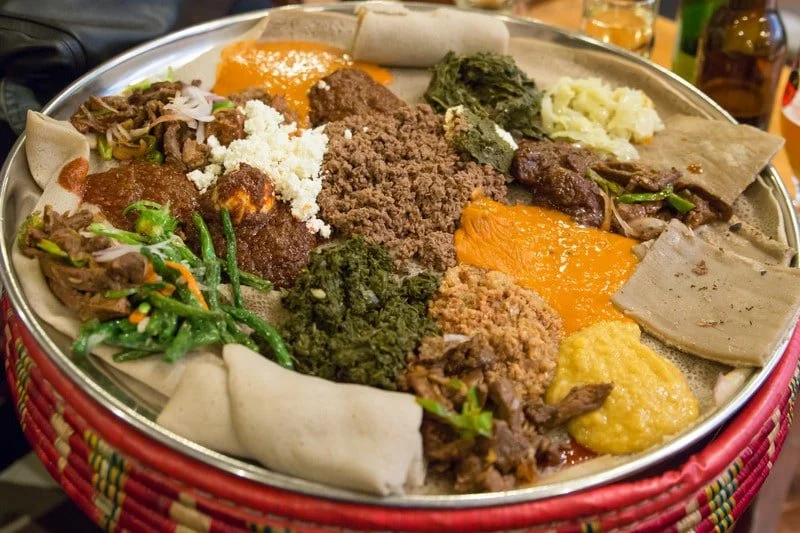
- 1. Understand the Unique Flavors of Ethiopian Cuisine
- 2. The Traditional Ethiopian Dining Experience
- 3. Common Ethiopian Dishes You Should Try
- 4. The Importance of Injera in Ethiopian Meals
- 5. How to Properly Eat Ethiopian Food
1. Understand the Unique Flavors of Ethiopian Cuisine
Ethiopian food is known for its vibrant and diverse flavors, influenced by a blend of spices, herbs, and cooking techniques. The use of berbere (a spicy chili powder) and niter kibbeh (spiced clarified butter) gives Ethiopian dishes their distinctive taste. Before diving in, be prepared for bold, complex flavors that range from tangy to spicy and earthy. This rich flavor profile can be an exciting experience for the palate, especially if you're used to Western cuisine.
2. The Traditional Ethiopian Dining Experience
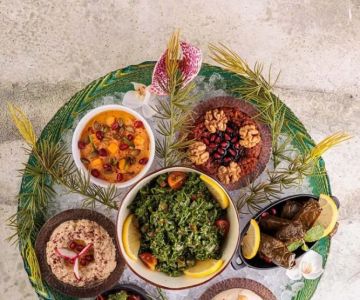
Ethiopian meals are typically served in a communal style. It’s common to share one large platter of food with friends or family. The dining experience is often centered around injera, a large sourdough flatbread made from teff flour, which serves as both the plate and utensil. The food is placed directly on the injera, and diners use pieces of injera to scoop up the various dishes. This communal, hands-on approach makes the meal a social and interactive experience.

3. Common Ethiopian Dishes You Should Try
Some must-try Ethiopian dishes include:
- Doro Wat: A spicy chicken stew, often served with hard-boiled eggs.
- Kitfo: Finely minced raw beef, typically mixed with spices and served with injera.
- Shiro: A chickpea or lentil stew, often served as a vegan option.
- Atayef: Sweet pastries filled with spiced nuts or honey, a perfect dessert.
Each dish brings its own unique blend of spices and textures, making the Ethiopian meal experience a true feast for the senses.
4. The Importance of Injera in Ethiopian Meals
Injera is the foundation of every Ethiopian meal. It’s a spongy, sour flatbread that serves as both a plate and a utensil. The soft texture of injera helps balance the heat of spicy dishes and provides a chewy, slightly tangy flavor. While it may take some getting used to, injera is essential in Ethiopian dining. Most dishes are meant to be eaten by scooping up bites with torn-off pieces of injera.
5. How to Properly Eat Ethiopian Food
Eating Ethiopian food is an art in itself. While most Western meals involve utensils, Ethiopian dining is all about using your hands. It’s customary to eat with the right hand only, tearing off pieces of injera and using it to grab your food. Don’t worry about making a mess — it’s all part of the experience. Just remember to wash your hands before and after the meal, as cleanliness is important in Ethiopian culture.



 Antojitos del Mangu Restaurant4.0 (46 reviews)
 Jerome Pizza Pasta4.0 (530 reviews)
 88 Palace3.0 (421 reviews)
 Pizza Hut Express3.0 (13 reviews)
 Wonder Scarsdale4.0 (188 reviews)
 Taqueria Tierra caliente4.0 (8 reviews)
 Why Ice Cream Shops Worth Traveling For Are A Must-Visit | Brunch & Snack Chat
 11 Foodie Guides Where Every Bite Feels Like Heaven
 Hidden Gem Restaurants: Tips, Trends, and Secrets | Brunch & Snack Chat
 Why Coffee Shops Where Every Bite Feels Like Heaven
 How to Find Casual Cafes That Are Totally Instagrammable
 Best Brunch Spots With Classic French Toast: Top Places to Enjoy the Ultimate Brunch Experience