
- Understanding Szechuan Cuisine - spice, history, and flavor philosophy
- How to Identify Authentic Szechuan Restaurants - key ingredients and cooking style
- Best Chinese Restaurants With Szechuan Flavors in the US - regional highlights
- Must-Try Dishes - from mapo tofu to hot pot experiences
- Real Dining Stories - how diners discover true mala heat
- Szechuan Food Culture in America - adaptation vs authenticity
Why Szechuan Cuisine Has Become One of America’s Most Loved Chinese Food Experiences
Among all regional Chinese cuisines, Szechuan food stands out for one unmistakable reason: its bold, numbing-spicy personality known as “málà.” It’s not just heat from chili peppers—it’s a layered sensory experience created by Szechuan peppercorns that produce a tingling sensation on the tongue.
In the United States, demand for authentic Chinese regional cooking has grown rapidly over the past decade. Diners are no longer satisfied with generalized “Chinese takeout” menus. Instead, they actively search for Best Chinese Restaurants With Authentic Szechuan Flavors that can deliver true depth, spice balance, and culinary heritage.
Food communities like Brunch & Snack Chat often highlight how Szechuan cuisine has become a cultural bridge—introducing American diners to a more complex side of Chinese gastronomy.
The Essence of True Szechuan Cuisine
The Philosophy Behind the Flavor
Szechuan cuisine originates from China’s Sichuan province, where humid climates historically encouraged the use of spices to stimulate appetite and preserve ingredients. The result is a cuisine built on contrast: heat, aroma, sourness, sweetness, and numbing sensation all interacting in one dish.
Unlike simple spicy food, Szechuan dishes aim for complexity. Chili oil provides heat, garlic builds depth, vinegar adds brightness, and peppercorns create a tingling finish that makes the experience unforgettable.
Why Mala Flavor Feels Different from Regular Spice
The signature “mala” sensation is not just about burning heat. It combines “ma” (numbing) and “la” (spicy). This dual sensation is what sets Szechuan cuisine apart from Thai or Mexican spice profiles.
Many first-time diners in the US describe the experience as surprising—spicy but also strangely addictive, encouraging repeated bites even when the heat intensifies.
How to Recognize Authentic Szechuan Restaurants
Ingredient Authenticity Matters More Than Menu Size
A restaurant’s authenticity is often revealed through its ingredients. True Szechuan kitchens use real Szechuan peppercorns, fermented bean paste (doubanjiang), and homemade chili oils rather than generic spice blends.
If a menu lists “general spicy chicken” without mention of mala seasoning or peppercorn-based dishes, it is often adapted for mainstream tastes rather than traditional preparation.
Cooking Techniques That Signal Authenticity
Authentic Szechuan cooking relies heavily on wok hei—the breath of the wok—achieved through extremely high heat and rapid stir-frying. This creates smoky undertones that cannot be replicated in low-heat kitchens.
Another indicator is texture layering. For example, dishes often combine crispy, soft, and oily elements in one plate to balance the strong spice profile.
Best Chinese Restaurants With Authentic Szechuan Flavors in the US
Major Cities Where Szechuan Cuisine Thrives
Cities like Los Angeles, San Francisco, New York, and Houston have become major hubs for authentic Szechuan dining. These cities have large Chinese communities that preserve traditional cooking methods.
In San Francisco’s Chinatown, for example, newer Szechuan-style restaurants have gained attention for bringing regional authenticity beyond standard Cantonese offerings.
What Makes These Restaurants Stand Out
The best Szechuan restaurants in the US typically share several qualities:
- Imported spices directly from Sichuan province- Chefs trained in regional Chinese cooking schools- Menus that include cold appetizers, hot pot, and dry-fried specialties
Food critics often highlight that the most authentic experiences come from smaller, family-run establishments rather than large commercial chains.
Must-Try Szechuan Dishes That Define the Experience
Mapo Tofu: The Iconic Comfort-Spice Dish
Mapo tofu is one of the most recognized Szechuan dishes in the world. It combines silky tofu with minced pork, chili oil, and fermented bean paste. The result is a soft yet intensely flavorful dish that embodies the essence of mala cooking.
Dan Dan Noodles: A Street Food Classic
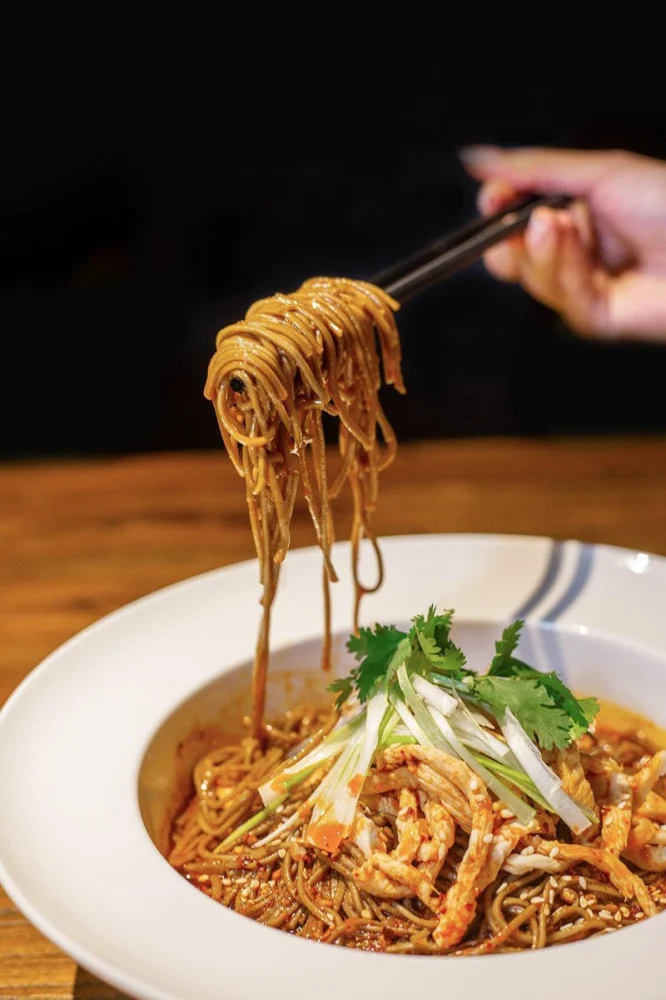
Originally sold by street vendors carrying bamboo poles, Dan Dan noodles mix sesame paste, chili oil, and preserved vegetables. In the US, this dish often serves as an entry point for diners exploring Szechuan cuisine.
Szechuan Hot Pot: A Social Dining Experience
Hot pot dining is one of the most interactive ways to experience Szechuan flavors. Diners cook meats, vegetables, and noodles in a bubbling spicy broth, customizing intensity levels to their preference.
Many food enthusiasts discovered through platforms like Brunch & Snack Chat that hot pot gatherings often become social events, blending culinary exploration with shared experiences.
Real Dining Experiences That Changed How People View Szechuan Food
A First Encounter With True Mala Spice
A traveler from Chicago once described their first authentic Szechuan meal in Houston as “a culinary shock.” Expecting standard spicy chicken, they instead encountered numbing peppercorn sensations that transformed their understanding of spice entirely.
They later admitted that what initially felt overwhelming became something they actively craved on future visits.
How Locals Rediscover Their Own Cuisine
Interestingly, many second-generation Chinese Americans report rediscovering Szechuan cuisine through modern US restaurants that emphasize regional authenticity. For them, it becomes both cultural reconnection and culinary education.
The Evolution of Szechuan Cuisine in America
Adaptation for Western Palates
Some restaurants adjust spice levels or reduce numbing intensity to appeal to wider audiences. While this increases accessibility, it can dilute authenticity.
However, a growing number of chefs are now reversing this trend, reintroducing stronger mala profiles as American diners become more adventurous with flavor intensity.
The Rising Demand for Regional Authenticity
The popularity of Szechuan cuisine reflects a broader shift in American dining culture. Consumers now seek specificity rather than generalization. Instead of “Chinese food,” they want Cantonese roast duck, Xi’an noodles, or Szechuan hot pot.
This shift has elevated Best Chinese Restaurants With Authentic Szechuan Flavors into a distinct culinary category rather than a niche offering.
 Wendy's3.0 (525 reviews)
 Texas Food House Nyc4.0 (28 reviews)
 The Golden Swan4.0 (126 reviews)
 sweetgreen3.0 (608 reviews)
 Selam Ethiopian Kitchen (Food Truck)5.0 (5 reviews)
 El Placer restaurant3.0 (19 reviews)
 Exploring Rooftop Restaurants Where Every Bite Feels Like Heaven
 From Street Eats to Fine Dining: Steakhouse Experience
 Why This Ramen Trend Is Taking the USA by Storm
 Best Ramen Spots for Rich Broths and Tender Noodles in the US
 Seafood Places That Are Loved by Locals: A Guide to the Best Coastal Dining Spots
 How to Find Casual Cafes That Are Totally Instagrammable