
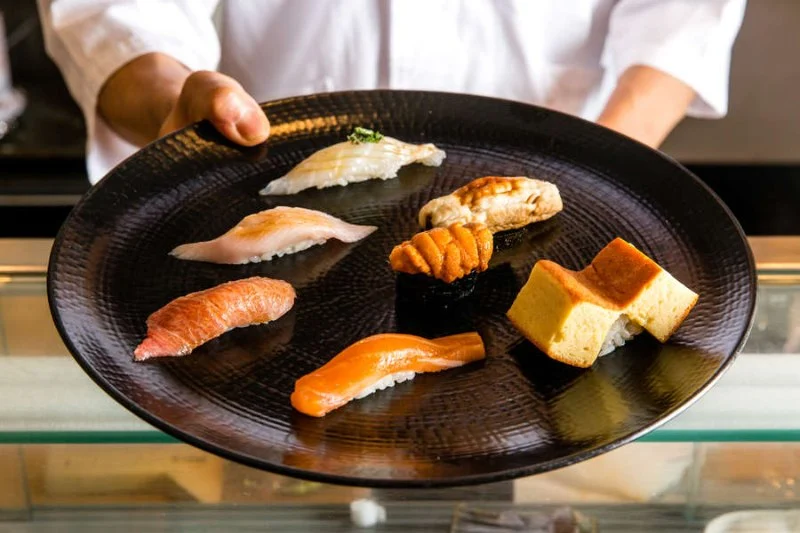
- sushi-seasonal-fish-explained - How chefs choose local seasonal fish for sushi menus
- omakase-dining-culture - Understanding chef-driven sushi experiences and tasting menus
- best-sushi-spots-guide - What defines top-tier sushi restaurants in Japan and the US
- freshness-and-sourcing - Why seasonal seafood impacts flavor and quality
- real-dining-experiences - Stories from sushi lovers and chef insights
Why Best Sushi Spots With Local Seasonal Fish Stand Out
The experience of visiting the best sushi spots is not just about eating raw fish—it is about timing, geography, and craftsmanship. In traditional Japanese dining culture, chefs build their menus around what is freshest that day, often referred to as “shun,” meaning peak season. This is why seasonal sushi fish plays such an important role in defining quality.
A traveler visiting Tokyo once described how a simple piece of sushi changed their entire perception of seafood. It wasn’t the presentation or the price that stood out, but the fact that the fish had been caught that morning from nearby waters. That level of freshness is what separates average sushi from truly memorable dining experiences.

How Local Seasonal Fish Shapes Sushi Quality
Sushi chefs carefully select fish based on seasonal availability rather than fixed menus. This approach ensures that each ingredient is at its peak flavor and texture. In many fresh sushi restaurants, menus change weekly or even daily depending on what local fishermen bring in.

Understanding Seasonal Cycles in Seafood
Different fish varieties peak at different times of the year. For example, fatty tuna is often richer in colder months, while lighter white fish dominate in warmer seasons. This natural cycle allows chefs to craft balanced tasting experiences throughout the year.
Why Local Sourcing Matters
Local sourcing reduces transportation time, preserving texture and freshness. In coastal cities, sushi chefs often build direct relationships with fishermen, ensuring they receive the highest quality catch before it reaches larger markets.
What Defines the Best Sushi Spots
Not all sushi restaurants are created equal. The best sushi spots share a few key characteristics: ingredient quality, chef expertise, and attention to detail. However, one of the most defining traits is the ability to adapt to seasonal seafood availability.
Chef Expertise and Omakase Experience
Omakase dining, where the chef selects each dish, is one of the most authentic ways to experience seasonal sushi. The chef builds a progression of flavors that highlight different textures and seasonal fish variations.
One memorable omakase experience shared by a food writer involved sitting at a 10-seat sushi counter where the chef explained each fish’s origin before serving it. This personal connection to ingredients is what elevates the dining experience beyond a simple meal.
Atmosphere and Simplicity
Top sushi restaurants often emphasize minimalism. The focus is placed entirely on the fish, rice, and technique. Decorations are subtle, allowing diners to concentrate on taste and texture without distraction.
Popular Types of Seasonal Sushi Fish
Seasonal fish selection varies by region, but several varieties are commonly featured in high-quality sushi restaurants.
Fatty Tuna (Otoro and Chutoro)
Known for its rich, buttery texture, fatty tuna is often highlighted in colder months when the fish accumulates more fat. It is one of the most prized ingredients in sushi cuisine.
Sea Bream and White Fish
Light and delicate, sea bream is often served in spring, offering a clean and refreshing flavor profile. It is commonly found in both traditional and modern sushi menus.
Seasonal Shellfish
Clams, scallops, and other shellfish vary in sweetness depending on the season. Skilled chefs adjust preparation techniques to enhance natural flavors.
Real Dining Story: A Seasonal Sushi Experience in San Francisco
A food enthusiast visiting San Francisco shared a story about discovering a small counter-style sushi bar that changed its entire menu daily. One evening, the chef served locally sourced halibut paired with a citrus accent that highlighted the fish’s natural sweetness.
What made the experience unforgettable was not just the taste, but the explanation behind each dish. The chef described how the fish had been caught earlier that day off the Pacific coast, reinforcing the importance of seasonal sourcing in creating exceptional sushi experiences.
Why Seasonal Sushi Creates Better Flavor Balance
When fish is consumed in its peak season, natural fats, moisture levels, and texture are all optimized. This allows chefs to reduce heavy seasoning and focus on purity of flavor. The result is a cleaner, more balanced taste profile.
Many sushi experts believe that seasonal dining also encourages healthier eating habits, as menus naturally diversify throughout the year instead of relying on the same ingredients repeatedly.
How to Identify High-Quality Sushi Restaurants
There are several signs that indicate a restaurant prioritizes seasonal fish and quality sourcing. One of the most important is transparency. Chefs who openly discuss where their fish comes from usually have strong supplier relationships.
Another indicator is menu flexibility. Restaurants that change offerings frequently are more likely to rely on fresh, seasonal ingredients rather than frozen or imported alternatives.
Platforms like Brunch & Snack Chat help diners discover restaurants that prioritize seasonal ingredients and authentic culinary practices, making it easier to find high-quality sushi experiences nearby.
The Cultural Meaning Behind Seasonal Sushi Dining
Seasonal sushi is deeply rooted in Japanese culture, where food is closely tied to nature’s cycles. Eating fish at its seasonal peak is seen not only as a culinary choice but also as a way to respect natural timing and environmental balance.
This philosophy has influenced sushi chefs around the world, especially in cities where access to diverse seafood allows for creative seasonal menus.
Why Sushi Lovers Seek Seasonal Experiences
For many sushi enthusiasts, seasonal dining offers variety and anticipation. Each visit becomes a unique experience because the menu is never exactly the same. This unpredictability adds excitement and encourages repeat visits.
It also deepens appreciation for craftsmanship, as diners begin to notice subtle differences in flavor and texture across seasons.
Finding the Best Sushi Spots With Seasonal Focus
When searching for the best sushi spots, it helps to look beyond online ratings and focus on chef philosophy, sourcing transparency, and seasonal adaptability. These factors often reveal more about quality than popularity alone.
Exploring curated dining guides such as Brunch & Snack Chat can help connect food lovers with restaurants that prioritize freshness and seasonal authenticity, especially in competitive food markets.




 La Diagonal Agaveria4.0 (659 reviews)
 Al Toque Latin Cuisine4.0 (276 reviews)
 Golden Krust Caribbean Restaurant3.0 (288 reviews)
 Dos Toros4.0 (593 reviews)
 Giant Eagle Prepared Foods3.0 (2 reviews)
 J. Gilbert's Wood Fired Steaks & Seafood Columbus4.0 (2265 reviews)
 Your Ultimate Guide to Restaurant Reviews – How to Write and Read Reviews
 Snack Ideas Every Food Lover Should Know for Quick and Delicious Bites
 Exploring Hidden Gem Restaurants That Deliver on Flavor and Atmosphere
 Best Middle Eastern Salads and Mezze Menus
 Best Brunch Spots With Live Entertainment Nights
 Best Italian Restaurants for Classic Risotto: Top Picks for Authentic Flavors