
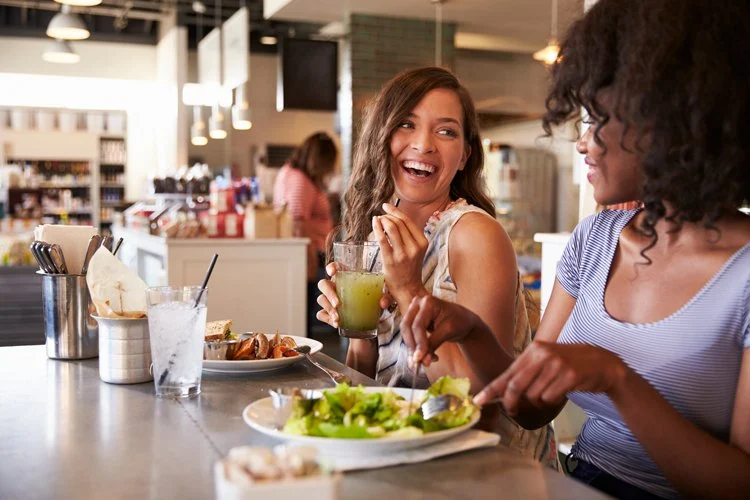
- - how restaurant environments influence eating habits and portion control
- - smart ordering strategies for healthier sit-down meals
- - real-life dining stories showing practical decision-making in restaurants
- - how to decode menus and avoid hidden calorie traps
- - balancing enjoyment and nutrition without restrictive dieting
- - long-term habits that make healthy dining effortless
Why Eating Out Doesn’t Have to Ruin Your Healthy Lifestyle
Learning How to Eat Healthy at Sit-Down Restaurants has become an essential life skill in modern American dining culture. With busy schedules, social dinners, and family gatherings happening outside the home more often than ever, restaurant meals now make up a significant part of many people’s weekly food intake.
The challenge is not the restaurant food itself—it’s the environment. Large portions, rich sauces, and indulgent menu design can subtly influence choices without most diners realizing it.

The psychology behind restaurant eating
Restaurants are intentionally designed to encourage satisfaction and indulgence. Soft lighting, enticing aromas, and visually appealing plating all contribute to increased appetite and longer eating times. Understanding this helps you make more conscious decisions before ordering.
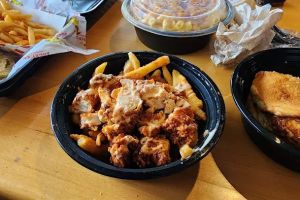
Angry Chickz - Fresno (N Blackstone Ave)
5776 N Blackstone Ave Ste 101, Fresno, CA 93710, USA
Understanding Menu Design and Hidden Calorie Traps
One of the most important steps in mastering How to Eat Healthy at Sit-Down Restaurants is learning how to interpret menus beyond their surface descriptions.
Words that signal high-calorie dishes
Terms like “crispy,” “creamy,” “buttered,” “loaded,” and “smothered” often indicate higher fat or calorie content. These dishes are usually rich in flavor but heavier on oils, sauces, and cheese.
Healthier menu language clues
On the other hand, words like “grilled,” “steamed,” “roasted,” and “fresh” usually signal lighter preparation methods that preserve nutrients while reducing added fats.
Portion distortion in restaurants
A common issue is portion size. Many sit-down restaurants serve meals that are two to three times larger than standard home portions, which can lead to unintentional overeating even when the food itself is balanced.
A Real Dining Story: Learning Balance at a Busy New York Bistro
A practical example of How to Eat Healthy at Sit-Down Restaurants comes from a young professional working in Manhattan who frequently dined out due to late office hours.
Initially, she ordered whatever looked appealing—often pasta dishes with creamy sauces or fried appetizers. Over time, she noticed energy crashes after meals and difficulty maintaining consistent focus during evening work hours.
The turning point in ordering habits
Instead of eliminating restaurant dining, she adjusted her approach. She began choosing grilled proteins, requesting sauces on the side, and sharing larger entrées with colleagues.
Within a few weeks, she reported feeling more energized after meals and less sluggish during evening meetings, without giving up dining out entirely.
Smart Ordering Strategies That Actually Work
Mastering How to Eat Healthy at Sit-Down Restaurants is less about restriction and more about strategy.
Start with protein and vegetables
Building your meal around lean protein and vegetables helps stabilize blood sugar and reduces the likelihood of overeating refined carbohydrates.
Control sauces and dressings
Sauces often contain hidden sugars, fats, and sodium. Asking for them on the side allows you to control how much you consume.
Choose cooking methods wisely
Grilled, baked, and steamed options typically provide better nutritional balance compared to fried or heavily sautéed dishes.
Practice mindful pacing
Eating slowly gives your body time to recognize fullness signals, reducing the chance of overeating during social meals.
How Social Dining Influences Food Choices
Social environments play a major role in How to Eat Healthy at Sit-Down Restaurants. People tend to mirror the eating habits of others at the table, often unconsciously matching portion sizes and indulgence levels.
The “group effect” in restaurants
When dining with friends or family, individuals are more likely to order shared appetizers or desserts, even when they weren’t originally planning to.
Balancing enjoyment and discipline
Healthy dining doesn’t mean avoiding social participation. Instead, it means making intentional choices while still enjoying the experience.
Hidden Healthier Options on Most Menus
Many restaurants offer healthier alternatives that are often overlooked. Understanding where to look is key to How to Eat Healthy at Sit-Down Restaurants.
Customization is your advantage
Most kitchens are willing to modify dishes. Swapping fries for vegetables or requesting whole grain options can significantly improve nutritional value.
Appetizers as main meals
In some cases, ordering two smaller appetizers instead of a large entrée can create a more balanced meal with better portion control.
Soup and salad strategy
Starting with broth-based soup or a simple salad can reduce overall hunger and lead to more mindful entrée choices.
A Weekend Brunch Example: Making Better Choices Without Sacrifice
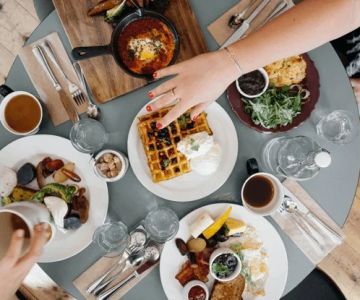
A common challenge in How to Eat Healthy at Sit-Down Restaurants occurs during brunch outings, where menus often include high-calorie favorites like pancakes, waffles, and fried breakfast platters.
A group of friends in Los Angeles shared their experience of gradually shifting their brunch habits. Instead of heavy syrup-based dishes, they began choosing egg-based meals with avocado, whole grain toast, and fresh fruit sides.
They still enjoyed coffee, conversation, and dessert occasionally—but no longer felt overly full or tired afterward.
For readers looking to explore balanced brunch inspiration, menu ideas, and healthier comfort food swaps, Brunch & Snack Chat offers curated insights that help make everyday dining decisions easier and more enjoyable.
Managing Restaurant Portions Without Feeling Restricted
One of the biggest challenges in How to Eat Healthy at Sit-Down Restaurants is portion control without feeling deprived.
Sharing plates naturally reduces intake
Sharing entrées or ordering family-style meals allows you to enjoy variety while maintaining moderation.
Boxing half before eating
A practical strategy is to immediately set aside half the meal before starting, which helps prevent accidental overeating.
Listening to satiety signals
Paying attention to how your body feels during the meal helps avoid eating purely out of habit or social pressure.
Long-Term Habits That Make Healthy Dining Automatic
The ultimate goal of learning How to Eat Healthy at Sit-Down Restaurants is to make it second nature rather than a constant effort.
Consistency over perfection
Healthy dining is not about perfect meals every time, but about maintaining balance across multiple outings.
Building awareness over time
As you repeatedly observe how different foods affect your energy and mood, decision-making becomes more intuitive.
Enjoyment remains essential
Food is not only nutrition—it is also culture, connection, and enjoyment. Sustainable habits always leave room for satisfaction.
Making Restaurant Dining Part of a Balanced Lifestyle
Understanding How to Eat Healthy at Sit-Down Restaurants allows you to fully participate in social life without sacrificing wellness goals. The key is awareness, not restriction.
By choosing smarter menu options, managing portions, and paying attention to preparation methods, restaurant dining becomes a sustainable part of a healthy lifestyle rather than a disruption to it.
Over time, these small decisions accumulate into significant improvements in energy levels, digestion, and overall well-being—without removing the joy of dining out.



 Schlotzsky's4.0 (106 reviews)
 Bondi Sushi4.0 (436 reviews)
 Zapatas Street Food3.0 (15 reviews)
 Carol's Bun4.0 (218 reviews)
 Los Pinos Salvadorean and Mexican Food4.0 (334 reviews)
 Stretch Pizza0.0 (0 reviews)
 Best BBQ Joints in Major US Cities
 Fine Dining: Tips, Trends, and Secrets for the Perfect Dining Experience
 Your Ultimate Guide to Budget Eats: Delicious Meals Without Breaking the Bank
 Best Latin American Restaurants That Will Surprise Your Taste Buds
 Exploring Fine Dining That Will Satisfy Every Craving Across the U.S.
 Exploring Rooftop Restaurants That Will Surprise You with Stunning Views