
- Cultural journey of Lebanese desserts in the United States - how tradition traveled and evolved
- What makes Lebanese sweets unique compared to other Middle Eastern desserts
- Baklava craftsmanship and its American bakery transformation
- Maamoul tradition and its place in modern American bakeries
- Top Lebanese sweet spots across major U.S. cities
- Bakery spotlight stories from iconic Lebanese dessert shops
- How to choose an authentic Lebanese dessert shop
- Pairing Lebanese desserts with American coffee culture
- Home baking vs bakery experience and where Brunch & Snack Chat fits in
- Modern fusion desserts inspired by Lebanese flavors
- Seasonal and holiday relevance of Lebanese sweets in the U.S.
Cultural journey of Lebanese desserts in the United States - how tradition traveled and evolved
Lebanese desserts did not simply arrive in the United States as recipes—they arrived as memories, celebrations, and family traditions carried across oceans. For many Lebanese-American families, sweets like baklava and maamoul are not just treats; they are emotional bridges connecting generations. As communities settled in cities such as Detroit, New York, Los Angeles, and Houston, these desserts naturally became part of local food culture.
What makes this journey especially fascinating is how Lebanese desserts adapted without losing identity. In early immigrant neighborhoods, small bakeries began producing traditional sweets for community gatherings, weddings, and religious holidays. Over time, curiosity from non-Middle Eastern Americans turned these neighborhood bakeries into cultural landmarks. Today, searching for Best Lebanese Desserts and Sweet Spots often leads food lovers into a rich blend of heritage and modern culinary experimentation.
A common story shared in Lebanese-American communities involves grandparents teaching children how to layer filo dough for baklava on Sunday afternoons. These moments eventually turned into small businesses, many of which still exist today as beloved bakeries across the country.
What makes Lebanese sweets unique compared to other Middle Eastern desserts
Lebanese sweets stand out due to their delicate balance of texture, sweetness, and aromatic ingredients. Unlike heavily sugary Western desserts, Lebanese pastries often rely on natural sweetness from honey or syrup infused with rose water and orange blossom. This creates a lighter yet deeply fragrant profile that appeals to modern U.S. consumers seeking less overwhelming desserts.
Another defining feature is craftsmanship. Many Lebanese desserts are still handmade, especially in family-run bakeries. Layers of filo pastry in baklava, for example, are brushed meticulously with butter before being filled with pistachios or walnuts. This attention to detail transforms each bite into a structured experience rather than just a sweet snack.
In the American market, this uniqueness has positioned Lebanese desserts as premium offerings in both standalone bakeries and upscale Mediterranean restaurants. The growing demand has also influenced cafés to introduce Lebanese-inspired pastries alongside espresso drinks, blending cultures in a way that feels natural and modern.

Baklava craftsmanship and its American bakery transformation
Baklava is often the first Lebanese dessert people in the U.S. encounter, and it frequently becomes the gateway to exploring more. In cities like Dearborn, Michigan, where one of the largest Arab-American populations resides, baklava is not just a dessert but a daily staple.
Traditional baklava involves dozens of thin filo layers, nuts such as pistachios or walnuts, and a carefully poured syrup that must soak in without making the pastry soggy. In American bakeries, baklava has evolved into creative variations—chocolate drizzled versions, vegan adaptations, and even gluten-free interpretations.
However, purists often argue that authenticity lies in restraint. The most respected bakeries continue to use traditional techniques passed down through generations. These places often become local landmarks where customers travel long distances just to buy a box for special occasions.
Knafeh obsession and viral dessert culture in the U.S.
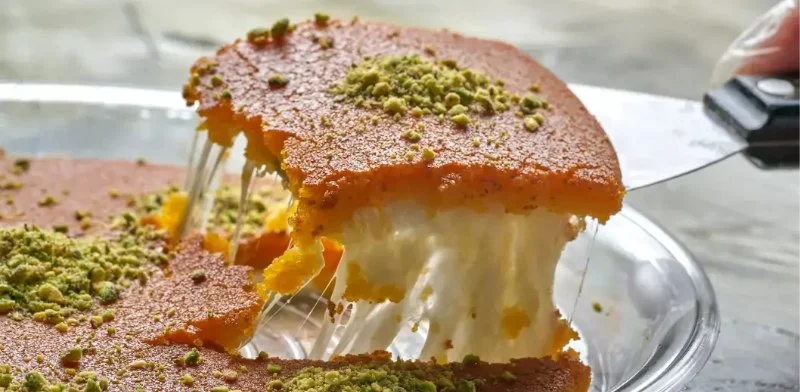
Knafeh has experienced a dramatic rise in popularity across American social media platforms. This warm, cheese-filled dessert topped with shredded phyllo and sweet syrup has become a viral sensation, especially on short-form video platforms where the cheese pull effect captures attention instantly.
One notable trend emerged in New York City food festivals where vendors began serving knafeh in cups or cones, making it more accessible for street food culture. Videos of molten cheese stretching dramatically have contributed to millions of views, turning knafeh into a recognizable dessert beyond Middle Eastern communities.
Despite its viral fame, authentic knafeh still requires precision. The balance between crispy topping and soft cheese base must be perfect, and syrup must be poured at just the right moment. Many Lebanese bakeries in the U.S. emphasize that timing is everything, and that rushed preparation compromises authenticity.
Maamoul tradition and its place in modern American bakeries
Maamoul is one of the most culturally significant Lebanese desserts, traditionally prepared during religious holidays such as Eid and Easter. These shortbread-like cookies are filled with dates, pistachios, or walnuts and often shaped using carved wooden molds.
In the United States, maamoul has found a steady place in both Lebanese bakeries and seasonal bakery menus. While originally reserved for holidays, it is now available year-round in cities with strong Middle Eastern communities. This shift reflects both cultural preservation and growing mainstream appreciation.
Families often continue the tradition of making maamoul at home, turning it into a communal activity. Children help shape the dough while elders prepare fillings, maintaining a cultural ritual that transcends geography.
Top Lebanese sweet spots across major U.S. cities
Finding the Best Lebanese Desserts and Sweet Spots in the United States often depends on location, but several cities stand out as culinary hubs.
In Dearborn, Michigan, Lebanese dessert culture is deeply rooted. Shops like Shatila Bakery are widely recognized for their extensive selection of baklava trays, knafeh, and traditional sweets that serve both local families and nationwide shipping customers.
In New York City, Lebanese and broader Middle Eastern bakeries are woven into the fabric of diverse neighborhoods. Many cafés offer knafeh alongside modern espresso drinks, creating a hybrid dessert culture that appeals to younger generations.
Los Angeles brings a different energy, with fusion bakeries experimenting with Lebanese flavors in upscale dessert presentations. Meanwhile, Chicago and Houston offer strong community-based bakeries that prioritize authenticity over innovation, preserving traditional recipes.
Bakery spotlight stories from iconic Lebanese dessert shops
Behind every successful Lebanese bakery in the U.S. is a story of migration, resilience, and culinary pride. Many of these businesses started as small family kitchens before evolving into full-scale bakeries.
One example is Al-Aqsa Bakery, known for its commitment to traditional pastry-making techniques. Customers often describe the experience as stepping into a piece of Lebanon, where recipes remain unchanged for decades.
Another widely appreciated establishment is Al Bawadi Grill, which, while known for its savory dishes, also plays a significant role in popularizing Lebanese desserts in the Midwest. Its dessert offerings often introduce first-time visitors to baklava and knafeh in a family-style dining environment.
These bakeries are more than food providers—they act as cultural anchors for immigrant communities while also educating broader American audiences about Lebanese culinary traditions.
How to choose an authentic Lebanese dessert shop
Authenticity in Lebanese desserts can often be identified through subtle details rather than flashy presentation. A truly authentic bakery typically focuses on ingredient quality, traditional preparation methods, and consistency rather than excessive innovation.
One key indicator is the use of pistachios imported from the Middle East or high-quality regional alternatives. Another is the texture of pastries—authentic baklava should be crisp yet tender, never overly soggy or artificially sweetened.
Customer experience also matters. Many authentic shops maintain a simple, family-oriented environment rather than modern minimalist café aesthetics. This reflects their focus on tradition rather than branding.
Pairing Lebanese desserts with American coffee culture
The rise of specialty coffee culture in the United States has created a natural pairing opportunity for Lebanese desserts. The sweetness of baklava or knafeh balances perfectly with strong espresso, cappuccinos, or Turkish-style coffee served in many Middle Eastern cafés.
In urban coffee shops, it is now common to see Lebanese pastries displayed alongside croissants and cookies. This integration highlights how desserts travel across cultural boundaries and find new meanings in different environments.
Some cafés even design pairing menus where specific desserts are matched with roast profiles, enhancing both flavor and cultural storytelling in one experience.
Home baking vs bakery experience and where Brunch & Snack Chat fits in
There is a distinct difference between enjoying Lebanese desserts at a bakery and preparing them at home. Bakery versions offer consistency and professional craftsmanship, while home baking brings emotional connection and personalization.
Many families in the U.S. still reserve home preparation for special occasions. However, as interest grows, more people are exploring Lebanese dessert recipes online and experimenting in their own kitchens.
For those seeking guidance on where to find authentic ingredients, dessert inspiration, or curated recommendations, Brunch & Snack Chat provides helpful insights into selecting the right products, shops, and dessert experiences tailored to personal taste.
Modern fusion desserts inspired by Lebanese flavors
Fusion cuisine has become a defining trend in American dessert culture, and Lebanese flavors are increasingly part of that evolution. Bakers are incorporating rose water into cheesecakes, pistachio into donuts, and orange blossom into ice cream.
These innovations are especially popular in urban centers where culinary experimentation is embraced. While some purists prefer traditional recipes, others appreciate how fusion desserts introduce Lebanese flavors to new audiences.
The key challenge for chefs is maintaining balance—ensuring that modern creativity does not overshadow the cultural identity of the original desserts.
Seasonal and holiday relevance of Lebanese sweets in the U.S.
Lebanese desserts play a significant role during religious and cultural celebrations in the United States. During Ramadan and Eid, bakeries experience a surge in demand for knafeh, maamoul, and baklava trays.
These desserts are often shared with neighbors and friends of different backgrounds, becoming a form of cultural exchange. In Christmas and Easter seasons, Lebanese-American families continue traditions that reflect both heritage and integration into American society.
The seasonal nature of these sweets ensures they remain meaningful rather than routine, reinforcing their emotional and cultural importance across generations.


 McDonald's3.0 (1082 reviews)
 Ace Shawarma & Burgers4.0 (95 reviews)
 Tacos el grillo5.0 (1 reviews)
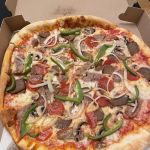 San Gennaro's Pizza4.0 (225 reviews)
 St Bess Jamaican Restaurant4.0 (43 reviews)
 La Terraza4.0 (85 reviews)
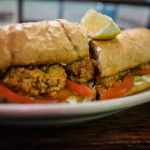 How to Eat Like a Local in New Orleans’ Best Restaurants | Brunch & Snack Chat
 Food Trends Every Food Lover Should Know: 2025's Hottest Food Trends
 Best Brunch Spots With Seasonal Cocktails & Mimosas Guide
 9 Fine Dining Where Every Bite Feels Like Heaven
 Best Brunch Spots for Celebrating Graduations in the US
 Dining Experiences Perfect for Weekend Brunch: Top Spots for a Relaxing Morning