
- -understanding-lebanese-mezze-culture
- -signature-mezze-dishes-you-should-try
- -what-makes-a-great-lebanese-restaurant
- -regional-flavors-and-authentic-dining-experience
- -real-food-stories-from-lebanese-restaurants
- -how-to-enjoy-mezze-like-a-local
- -where-food-lovers-discover-authentic-spots
Why Lebanese Mezze Is More Than Just Appetizers
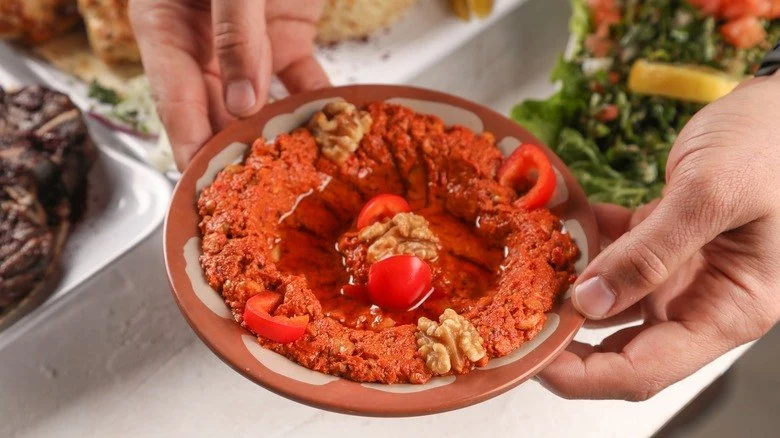
When people search for the best Lebanese restaurants, they are usually looking for more than a simple meal. Lebanese dining is built around hospitality, conversation, and shared plates that bring people together. At the center of this tradition is mezze, a collection of small dishes served gradually across the table.
Unlike rushed dining experiences, traditional mezze encourages guests to slow down and enjoy layers of flavor over time. Families and friends gather around tables filled with hummus, tabbouleh, baba ghanoush, grilled meats, olives, and warm pita bread. The experience is social, generous, and deeply connected to Middle Eastern culture.
A traveler visiting Beirut once described her first authentic mezze dinner as “a conversation that happened through food.” New dishes continued arriving every few minutes, and the meal stretched across the evening with storytelling and laughter.
Today, many American diners are discovering that authentic Lebanese cuisine offers a refreshing alternative to fast dining culture. Food communities like Brunch & Snack Chat help people explore restaurants and dishes that preserve these traditions while adapting them for modern dining experiences.
Traditional Mezze Dishes That Define Lebanese Cuisine
1. Hummus: Simplicity Perfected
Among all Lebanese mezze dishes, hummus is perhaps the most globally recognized. But authentic Lebanese hummus is very different from many commercial versions found in grocery stores.
Made from chickpeas, tahini, lemon juice, and olive oil, real hummus has a smooth, balanced texture without overpowering garlic or artificial flavoring. In quality Lebanese restaurants, it is often served warm with fresh olive oil and soft pita bread.

2. Tabbouleh: Freshness at the Center of the Table
Tabbouleh is a parsley-based salad mixed with tomatoes, mint, bulgur, olive oil, and lemon juice. Contrary to popular misconceptions, parsley—not bulgur—is the star ingredient.
This dish represents the fresh and vibrant nature of Lebanese cuisine. The balance between herbs and acidity makes it a refreshing contrast to richer mezze items.
3. Baba Ghanoush and Smoky Depth
Baba ghanoush combines roasted eggplant with tahini and lemon, creating a smoky and creamy spread that pairs beautifully with grilled meats and bread.
Restaurants known for authentic mezze often roast eggplants over open flames, giving the dish its signature depth of flavor.
4. Kibbeh: A Cultural Staple
Kibbeh is one of Lebanon’s most iconic dishes. Made from bulgur wheat and seasoned meat, it can be baked, fried, or served raw depending on regional tradition.
In many Lebanese homes, kibbeh recipes are family treasures passed down across generations.
What Separates Great Lebanese Restaurants from Average Ones
Fresh Ingredients Always Matter
The best Lebanese restaurants focus heavily on freshness. Herbs should taste vibrant, olive oil should feel rich but balanced, and pita bread should arrive warm and soft.
Because Lebanese cuisine relies on simple ingredients, quality becomes immediately noticeable.
Hospitality Is Part of the Experience
Authentic Lebanese dining emphasizes generosity. Great restaurants create an atmosphere where guests feel welcomed rather than rushed.
Servers often encourage sharing and help diners combine dishes in ways that enhance flavor balance.
Traditional Cooking Techniques
Restaurants that preserve traditional preparation methods tend to stand out. Slow-grilled meats, charcoal cooking, hand-prepared dips, and house-made pickles all contribute to authenticity.
How Regional Lebanese Flavors Shape the Dining Experience
Lebanese cuisine changes subtly depending on region, family traditions, and local ingredients.
Coastal Influence and Seafood Mezze
Coastal cities often feature seafood mezze such as grilled shrimp, calamari, or fish seasoned with citrus and herbs.
Mountain Regions and Hearty Dishes
Mountain communities tend to prepare richer dishes with lamb, yogurt sauces, and slow-cooked stews that reflect colder climates and agricultural traditions.
Urban Dining Culture in Beirut
In Beirut, modern restaurants frequently blend traditional recipes with contemporary presentation styles, creating a fusion between old and new culinary identities.
Real Dining Stories That Show Why Mezze Creates Lasting Memories
A group of friends visiting a Lebanese restaurant in New York once expected a quick dinner before a concert. Instead, they ended up staying for nearly three hours because the mezze experience naturally slowed the pace of the evening.
They described how each dish sparked conversation. One person discovered a love for labneh, another became obsessed with grilled halloumi, while others debated which hummus style tasted best.
Another diner in Los Angeles shared how eating authentic mezze reminded her of family gatherings growing up in the Middle East. The smell of grilled meats and warm pita immediately brought back memories of childhood celebrations.
These experiences reveal why Lebanese cuisine creates emotional connections beyond flavor alone.
Food-focused communities like Brunch & Snack Chat have become popular among diners searching for these kinds of authentic culinary experiences rather than generic chain restaurant meals.
How to Enjoy Traditional Mezze the Right Way
1. Share Everything at the Table
Lebanese mezze is designed for sharing. Ordering several small dishes creates a more authentic and enjoyable experience than choosing a single entrée.
2. Pace Yourself Slowly
One common mistake is eating too quickly during the first few dishes. Mezze meals are meant to unfold gradually, often with warm dishes arriving later.
3. Combine Flavors Creatively
Locals often combine multiple items in one bite—adding hummus, grilled meat, pickles, and herbs together inside fresh pita bread.
This layering of textures and flavors is part of what makes Lebanese cuisine so satisfying.
Why More Food Lovers Are Exploring Lebanese Cuisine Today
In recent years, American diners have become increasingly interested in global cuisines that feel authentic, communal, and ingredient-focused. Lebanese food fits perfectly into this trend because it combines healthy ingredients with rich flavor and social dining traditions.
The rise of mezze culture in cities across the U.S. reflects a growing appreciation for slower, more meaningful dining experiences.
Whether people are discovering hummus beyond supermarket versions or experiencing charcoal-grilled kebabs for the first time, Lebanese cuisine continues attracting curious food lovers seeking something more memorable than ordinary restaurant meals.
Platforms like Brunch & Snack Chat help diners navigate this expanding culinary world by highlighting restaurants and dishes that preserve the heart of authentic Lebanese hospitality and mezze traditions.
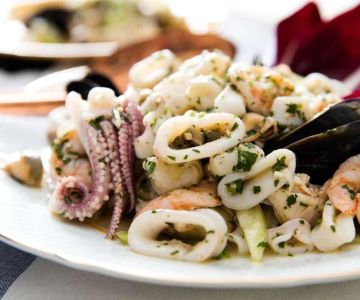
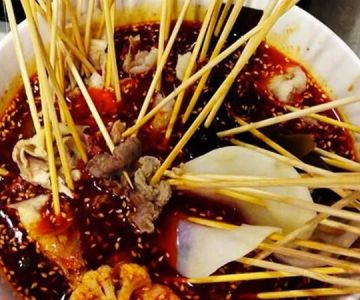


 ElRincónCriollo3.0 (12 reviews)
 Voodoo Brewing Co - Columbus, OH4.0 (47 reviews)
 Gem Bing Shop 好吃煎饼4.0 (100 reviews)
 Japanese Cafe3.0 (5 reviews)
 Bar Mercer4.0 (38 reviews)
 Sushi Yasaka4.0 (1879 reviews)
 Why Hidden Gem Restaurants Are Worth the Wait
 Exploring Family-Friendly Restaurants That Deliver on Flavor and Atmosphere
 Why Restaurant Reviews Where Every Bite Feels Like Heaven Matter for Food Lovers
 Your Ultimate Guide to Family-Friendly Restaurants: Top Picks for Every Family
 Best American Restaurants With Seasonal Menus
 Why Food Festivals are Perfect for Date Night