
- - Why Mediterranean Cuisine and Wine Work So Well Together
- - What Defines a Great Mediterranean Wine Pairing Experience
- - Popular Mediterranean Dishes and Their Ideal Wines
- - How Modern Restaurants Are Reinventing Mediterranean Dining
- - The Role of Regional Ingredients in Flavor Pairing
- - Real Dining Experience That Changed My View on Pairings
- - Mistakes People Make When Choosing Wine With Mediterranean Food
- - How to Build a Better Mediterranean Dining Experience at Home
- - Why Chefs and Sommeliers Focus on Balance
- - How Social Media Influenced Modern Mediterranean Food Culture
- - Finding Restaurants That Truly Understand Pairing
Why Mediterranean Cuisine and Wine Work So Well Together
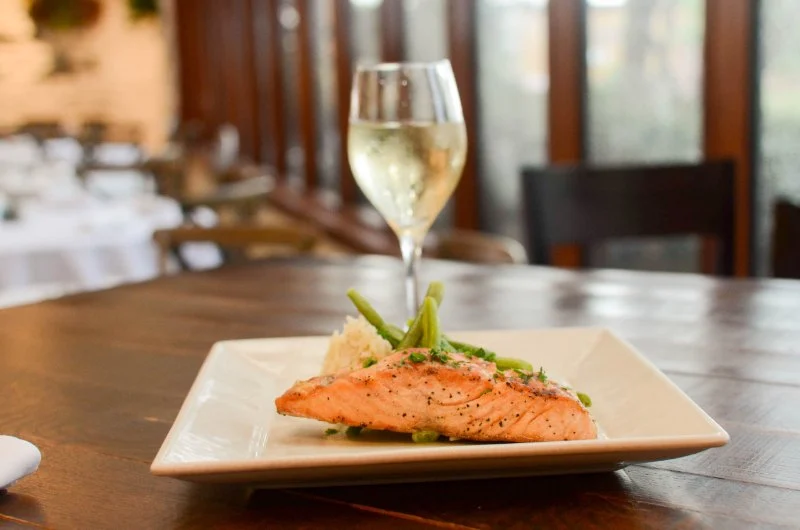
There is something naturally elegant about Mediterranean cuisine paired with wine. The flavors feel balanced rather than overwhelming, allowing ingredients, textures, and aromas to complement each other beautifully. When people search for the Best Mediterranean Restaurants With Wine Pairing, they are often looking for more than a meal. They are searching for an experience that feels social, flavorful, relaxed, and memorable.
Mediterranean food is uniquely suited for wine pairing because the cuisine already revolves around ingredients traditionally connected to wine culture. Olive oil, seafood, herbs, roasted vegetables, lamb, fresh cheeses, citrus, and grilled meats all interact exceptionally well with different wine styles.

1. Mediterranean Cuisine Prioritizes Balance
Unlike extremely heavy or overly processed meals, Mediterranean dishes often balance acidity, saltiness, herbs, fat, and freshness naturally.

2. Wine Is Historically Embedded in Mediterranean Culture
Across regions such as Greece, Southern Italy, Spain, Lebanon, and coastal France, wine has long been part of communal dining traditions.
3. Fresh Ingredients Create Pairing Flexibility
Fresh herbs, citrus, tomatoes, and seafood allow sommeliers to work with a wide range of wines without overpowering flavors.
4. Dining Is Meant to Feel Social
Mediterranean meals are often designed for sharing, conversation, and slow enjoyment rather than rushed eating.
What Defines a Great Mediterranean Wine Pairing Experience
Not every restaurant that serves Mediterranean food truly understands pairing. The best dining experiences involve intentional balance between dishes and wine selection.
1. The Wine Should Enhance Rather Than Dominate
A strong pairing supports the food without overshadowing it.
Examples of Balanced Pairings
- Crisp white wine with grilled octopus
- Rosé with mezze platters
- Light reds with herb-marinated lamb
- Sparkling wines with salty cheeses
2. Staff Knowledge Makes a Huge Difference
Great sommeliers and servers help diners discover combinations they may never have considered themselves.
3. Regional Pairings Often Work Best
Many of the most successful wine pairings come from the same geographic regions as the dishes themselves.
4. Atmosphere Influences the Entire Experience
Lighting, music, presentation, and pacing all shape how memorable a Mediterranean dinner feels.
Many food lovers visit Brunch & Snack Chat to discover trending Mediterranean dining ideas, wine recommendations, and restaurant-inspired pairing concepts for both restaurants and home entertaining.
Popular Mediterranean Dishes and Their Ideal Wines
Understanding pairing basics helps diners appreciate why certain restaurants stand out.
1. Grilled Seafood and Crisp Whites
Mediterranean coastal cuisine frequently features fish, shrimp, calamari, and octopus.
Ideal Wine Pairings
- Sauvignon Blanc
- Albariño
- Vermentino
- Dry Assyrtiko
The acidity and minerality in these wines complement seafood beautifully without masking delicate flavors.
2. Lamb and Medium-Bodied Reds
Herb-marinated lamb dishes pair exceptionally well with wines that provide structure without excessive heaviness.
Recommended Choices
- Grenache
- Syrah
- Tempranillo
- Sangiovese
3. Mezze Platters and Rosé
Mezze spreads featuring hummus, olives, feta, roasted vegetables, and dips benefit from versatile wines capable of handling varied flavors.
Rosé often works surprisingly well because of its acidity and refreshing profile.
4. Tomato-Based Dishes and Acidity
Tomato sauces naturally contain strong acidity, which pairs best with wines carrying similar brightness.
Strong Pairing Options
- Chianti
- Barbera
- Pinot Noir
How Modern Restaurants Are Reinventing Mediterranean Dining
The modern American restaurant scene has transformed Mediterranean cuisine into something both traditional and contemporary.
1. Fusion Influences Are Expanding Menus
Chefs increasingly blend Mediterranean techniques with global ingredients and presentation styles.
Examples of Modern Fusion Trends
- Harissa seafood tacos
- Truffle hummus
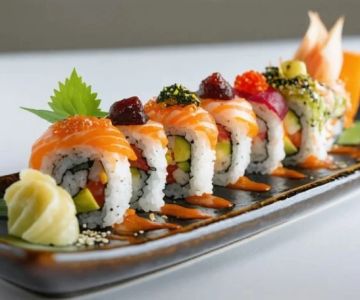
- Mediterranean-inspired sushi
- Wood-fired flatbreads with gourmet toppings
2. Natural Wines Are Becoming Popular
Many trendy Mediterranean restaurants now emphasize biodynamic and natural wine programs.
3. Open Kitchen Concepts Increase Engagement
Guests enjoy watching chefs grill seafood, prepare mezze, or finish dishes tableside.
4. Shared Dining Continues Growing
Large shared plates encourage social interaction and allow diners to experiment with multiple wine combinations during one meal.
The Role of Regional Ingredients in Flavor Pairing
One reason Mediterranean food pairs so naturally with wine is the importance of regional ingredients.
1. Olive Oil Adds Richness Without Heaviness
Good olive oil enhances texture while allowing wines to remain expressive.
2. Herbs Create Aromatic Complexity
Fresh rosemary, oregano, thyme, mint, and basil influence wine perception significantly.
3. Citrus Brightens Pairings
Lemon and orange notes often make white wines feel even more refreshing.
4. Grilling Adds Smoky Depth
Charcoal and wood-fired cooking methods create subtle bitterness and smokiness that pair exceptionally well with earthy reds.
Restaurants that prioritize ingredient quality usually create stronger wine experiences because the flavors remain cleaner and more balanced.
Real Dining Experience That Changed My View on Pairings
A few years ago, I visited a small Mediterranean restaurant during a weekend trip to Chicago. The restaurant itself was not especially flashy, but the pairing experience completely changed how I thought about food and wine.
The meal began with grilled octopus served alongside a crisp mineral-driven white wine. Normally, I would never have ordered octopus voluntarily, but the pairing transformed the dish entirely.
Then came lamb with herbs and roasted vegetables paired with a medium-bodied red that somehow enhanced both the smokiness and freshness of the meal at the same time.
What stood out most was not luxury or presentation. It was intentionality.
Every pairing felt carefully designed to highlight specific textures and flavors rather than simply matching expensive wine with expensive food.
That experience made me realize why the Best Mediterranean Restaurants With Wine Pairing often leave stronger memories than restaurants focused purely on trendiness.
Mistakes People Make When Choosing Wine With Mediterranean Food
Many diners unintentionally overpower Mediterranean flavors by choosing wines poorly matched to the cuisine.
1. Choosing Wines That Are Too Heavy
Extremely bold wines can dominate lighter seafood, herbs, and olive oil-based dishes.
2. Ignoring Acidity Balance
Acidity is critical when pairing wine with tomatoes, citrus, and salty cheeses.
3. Pairing Only Based on Meat Type
Seasonings, sauces, and cooking methods matter just as much as protein selection.
4. Avoiding White Wine With Rich Dishes
Many people automatically choose red wine with heavier foods, but textured whites often work surprisingly well with rich Mediterranean dishes.
5. Overlooking Regional Wines
Lesser-known Mediterranean wines frequently pair better with the cuisine than more famous mainstream bottles.
How to Build a Better Mediterranean Dining Experience at Home
You do not need a luxury restaurant reservation to enjoy strong Mediterranean pairings.
1. Focus on Fresh Ingredients
Simple ingredients prepared well usually outperform overly complicated recipes.
Excellent Starter Ingredients
- Fresh herbs
- Olives
- Feta cheese
- Seafood
- Lemon
- Roasted vegetables
2. Serve Smaller Shared Plates
Sharing multiple dishes creates more opportunities to experiment with pairings.
3. Do Not Overcomplicate Wine Selection
Balanced acidity and freshness matter more than price.
4. Pay Attention to Temperature
Serving wine at the correct temperature significantly improves flavor perception.
5. Build Atmosphere Intentionally
Music, lighting, pacing, and presentation all contribute to the Mediterranean dining experience.
Brunch & Snack Chat often shares entertaining ideas, Mediterranean-inspired recipes, and pairing inspiration for people recreating restaurant-style dining experiences at home.
Why Chefs and Sommeliers Focus on Balance
The best pairings rarely happen by accident.
1. Contrast Creates Excitement
Acidity can cut through richness while sweetness can soften spice.
2. Similar Flavor Profiles Build Harmony
Herbal wines often pair naturally with herb-forward dishes.
3. Texture Matters as Much as Taste
Creamy hummus, charred vegetables, crisp seafood, and tender lamb all interact differently with wine textures.
4. Pairings Should Evolve Throughout the Meal
Strong restaurants carefully structure wine progression from lighter styles toward richer selections.
How Social Media Influenced Modern Mediterranean Food Culture
Social media dramatically increased interest in Mediterranean food culture across the United States.
1. Visually Appealing Dishes Went Viral
Colorful mezze boards, grilled seafood, and elegant wine pours perform exceptionally well online.
2. Food Tourism Became More Influential
Travel content inspired many diners to seek authentic Mediterranean experiences locally.
3. Younger Diners Became More Experimental
Millennial and Gen Z diners often embrace unfamiliar wines and ingredients more openly than previous generations.
4. Wine Education Became More Accessible
Online creators simplified pairing concepts that once felt intimidating to casual diners.
This accessibility helped Mediterranean wine culture feel more approachable to beginners.
Finding Restaurants That Truly Understand Pairing
Not every Mediterranean restaurant prioritizes wine pairing equally.
1. Look for Curated Wine Menus
Restaurants with carefully selected regional wine programs often take pairing more seriously.
2. Staff Recommendations Matter
Knowledgeable servers and sommeliers can dramatically improve the dining experience.
3. Seasonal Menus Often Signal Ingredient Quality
Restaurants adjusting menus based on ingredient availability usually focus more heavily on flavor balance.
4. Observe Guest Experience
Restaurants that encourage relaxed pacing and conversation often create stronger pairing atmospheres.
5. Authenticity and Creativity Should Coexist
The strongest Mediterranean restaurants respect tradition while still embracing thoughtful innovation.
Exploring the Best Mediterranean Restaurants With Wine Pairing is ultimately about more than matching food and drinks. It is about discovering how flavor, atmosphere, culture, conversation, and creativity come together around the table. The most memorable experiences are rarely the loudest or most expensive. Instead, they are the meals where every bite and every sip feel connected in a way that makes people slow down, stay longer, and genuinely enjoy the experience.

 Connie's4.0 (1280 reviews)
 Tigres Pizza4.0 (137 reviews)
 Halal in East Village4.0 (74 reviews)
 Wendy's3.0 (1417 reviews)
 INDAY4.0 (131 reviews)
 Pitabilities Street Food4.0 (88 reviews)
 Food Festivals: Tips, Trends, and Secrets to Make the Most of Your Experience
 Your Ultimate Guide to Seafood Places in the US
 Fine Dining Every Food Lover Should Know
 Fine Dining Every Food Lover Should Know in the U.S.
 Dining Experiences Foodies Can’t Stop Talking About
 Best Chinese Restaurants With Signature Soups