
- 1-Choosing-Your-Route
- 2-Must-Try-Southern-Cuisine
- 3-Researching-Local-Food-Spots
- 4-Timing-and-Scheduling
- 5-Budgeting-and-Accommodations
- 6-Packing-Tips-and-Preparation
- 7-Immersing-in-Local-Culture
- 8-Real-Life-Foodie-Road-Trip-Stories
- 9-Leveraging-Online-Resources
1. Choosing Your Route
Planning a successful foodie road trip begins with selecting the route that best fits your culinary interests. The American South is rich with diverse flavors, from barbecue in Tennessee and North Carolina to Cajun and Creole cuisine in Louisiana. Mapping out your route in advance ensures you hit the culinary highlights without feeling rushed.
Consider starting in a major city like Atlanta or New Orleans, then branch out to smaller towns known for signature dishes. Using a flexible route allows you to follow local recommendations along the way and discover hidden food gems.

2. Must-Try Southern Cuisine
2.1 Barbecue and Smokehouses
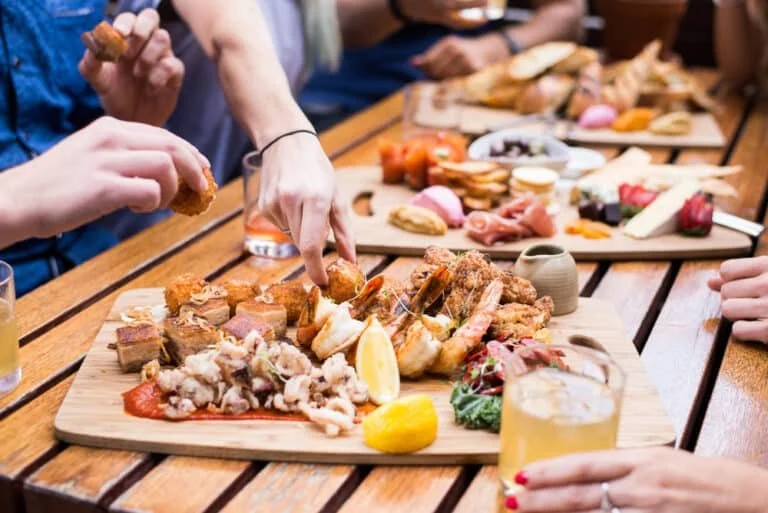
No Southern foodie road trip is complete without tasting authentic barbecue. North Carolina is famous for its vinegar-based sauces, while Tennessee offers sweet, molasses-rich varieties. Plan visits to renowned smokehouses and local joints recommended by food enthusiasts.

The Terrace and Outdoor Gardens at the Times Square EDITION
New YorkNew York CountyNew York
701 7th Ave 9th floor, New York, NY 10036, USA
2.2 Cajun and Creole Dishes
Louisiana’s cuisine is legendary. Sample jambalaya, gumbo, crawfish étouffée, and beignets. Engaging with local chefs or attending food festivals can provide insight into cooking traditions and regional variations.
2.3 Southern Comfort Foods
Don’t miss classic comfort foods such as fried chicken, collard greens, biscuits, and sweet potato pie. Pair meals with regional beverages, like sweet tea or craft brews, to complete the culinary experience.
3. Researching Local Food Spots
3.1 Online Reviews and Social Media
Before hitting the road, research eateries through online reviews, Instagram, and foodie blogs. Social media often reveals hidden gems, such as hole-in-the-wall diners, food trucks, or family-owned bakeries that might not appear on traditional maps.
3.2 Recommendations from Locals
Local insights are invaluable. Engage with residents for suggestions on must-try dishes and the best times to visit popular spots. Many locals know secret recipes or limited-time menu items that make the journey special.
3.3 Brunch & Snack Chat Recommendations
Websites like Brunch & Snack Chat provide curated lists of Southern restaurants, specialty food shops, and seasonal events. Leveraging these resources ensures a well-rounded culinary itinerary.
4. Timing and Scheduling
4.1 Optimal Travel Times
Consider traveling during the spring or fall to avoid extreme heat and maximize food festival opportunities. Plan visits around lunch or dinner hours to experience freshly prepared meals at peak quality.
4.2 Balanced Itinerary
Mix long drives with short, leisurely stops to enjoy meals without feeling rushed. Allow extra time for unplanned detours or recommendations from locals. Flexibility is key to a memorable foodie road trip.
4.3 Event-Based Planning
Check local food festivals, farmers’ markets, and seasonal events. Participating in these gatherings provides a deeper connection to regional cuisine and culinary culture.
5. Budgeting and Accommodations
5.1 Meal Budgeting
Foodie trips can be expensive if not planned carefully. Allocate a daily budget for meals, factoring in splurges at iconic restaurants. Consider mixing high-end dining with casual local spots to balance expenses.
5.2 Accommodations Along the Route
Choose lodgings that complement your foodie experience. Boutique hotels, bed-and-breakfasts, and inns near popular food hubs provide convenience and often insider tips on local dining.
5.3 Road Trip Essentials
Ensure your vehicle is in top condition, pack snacks for long stretches, and have a cooler for perishable food finds along the way. Planning ahead reduces stress and maximizes enjoyment.
6. Packing Tips and Preparation
6.1 Culinary Tools
Bring portable utensils, reusable containers, and a camera to capture your culinary journey. Foodies often want to take home small items like spices or baked goods, so packing bags accordingly is essential.
6.2 Health and Safety Items
Include hand sanitizer, wet wipes, and travel-safe first aid kits. Food exploration can be messy, and being prepared ensures you enjoy the trip without interruptions.
6.3 Documentation and Apps
Download navigation apps, restaurant review tools, and digital maps. Keeping a digital journal of meals, locations, and tasting notes enhances the overall experience.
7. Immersing in Local Culture
7.1 Meet the Chefs and Vendors
Interacting with local chefs, bakers, and food artisans provides insights into the stories behind each dish. Many offer cooking tips, ingredient secrets, or short workshops that enrich your journey.
7.2 Learn Regional Traditions
Understanding local customs, such as Southern hospitality or meal etiquette, creates a more authentic experience. Attend food festivals and community events to immerse yourself fully.
7.3 Document Your Journey
Keeping a photo log, social media posts, or written journal of your foodie trip captures memories and serves as inspiration for future travelers.
8. Real-Life Foodie Road Trip Stories
8.1 Savannah to Charleston Culinary Adventure
A group of friends embarked on a road trip from Savannah, Georgia, to Charleston, South Carolina, sampling seafood boils, shrimp and grits, and artisanal pastries. They discovered hidden gems like family-run biscuit shops and pop-up food trucks that weren’t listed in guidebooks, making the trip unforgettable.
8.2 Memphis Barbecue Crawl
Another traveler focused on barbecue in Memphis, Tennessee. By visiting small smokehouses recommended by locals, she compared sauces and cooking techniques, gaining a deeper appreciation for regional variations in flavor and preparation.
8.3 New Orleans Jazz & Gumbo Tour
Combining music and food, a couple planned a New Orleans trip around jazz clubs and authentic gumbo spots. Their itinerary included street vendors, upscale restaurants, and weekend food festivals, illustrating how cultural immersion enhances the culinary experience.
9. Leveraging Online Resources
Websites like Brunch & Snack Chat provide curated recommendations, seasonal guides, and insider tips. By combining online research with local insights, travelers can craft a balanced and exciting itinerary. Remember, the key to a successful foodie road trip is flexibility, curiosity, and a willingness to explore beyond the typical tourist spots.
 Burger Point4.0 (27 reviews)
 E Noodle Chinatown4.0 (328 reviews)
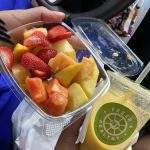 Fresh & Healthy 187 inc4.0 (386 reviews)
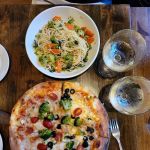 Da Gennaro4.0 (4502 reviews)
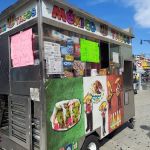 Mexico Tacos5.0 (2 reviews)
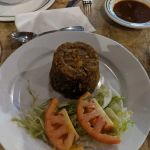 Punto De Sabor | Dominican Restaurant | New York3.0 (497 reviews)
 Fine Dining Every Food Lover Should Know
 Best Chinese Dumpling Spots With Authentic Recipes
 Your Ultimate Guide to Seafood Places in the US
 Coffee Shops Every Food Lover Should Know – Explore the Best Coffee Spots
 Best Seafood Places in the USA: Tips, Trends, and Secrets
 From Street Eats to Fine Dining: Ultimate Foodie Guide to Culinary Adventures