
- - trending-ramen-culture-in-america
- - most-buzzworthy-ramen-spots
- - regional-ramen-styles-usa
- - ramen-flavor-profiles-explained
- - real-stories-ramen-obsession
- - how-to-choose-best-ramen-restaurant
- - ramen-fusion-and-modern-twists
- - bruch-snack-chat-recommendations
A Growing Obsession with Ramen Culture in the U.S.
Over the past decade, ramen has shifted from a niche Japanese comfort food into one of the most talked-about dining trends across the United States. What once felt like a simple bowl of noodles has evolved into a culinary experience that food lovers actively chase across cities like Los Angeles, New York, Seattle, and Chicago.
The rise of the most buzzworthy ramen restaurants in America is not accidental. It reflects a broader cultural movement where diners want authenticity, craftsmanship, and emotional comfort in a bowl. Each restaurant now competes not just on flavor, but on storytelling—how the broth is simmered, how noodles are crafted, and how regional Japanese traditions are preserved or reinterpreted.
What Makes a Ramen Spot “Buzzworthy”
1. The Broth Is the Soul
Every standout ramen shop begins with its broth. Whether it’s rich tonkotsu simmered for 12–18 hours or a lighter shoyu base, the depth of flavor defines the restaurant’s reputation. Many of the most buzzworthy ramen restaurants in America are known for obsessively perfected broths that create long lines outside their doors.
2. Limited Seating, High Demand
Scarcity often builds hype. Small ramen counters with just 10–15 seats create exclusivity. Diners willingly wait because they know the experience is crafted with precision and intention.
3. Social Media Influence
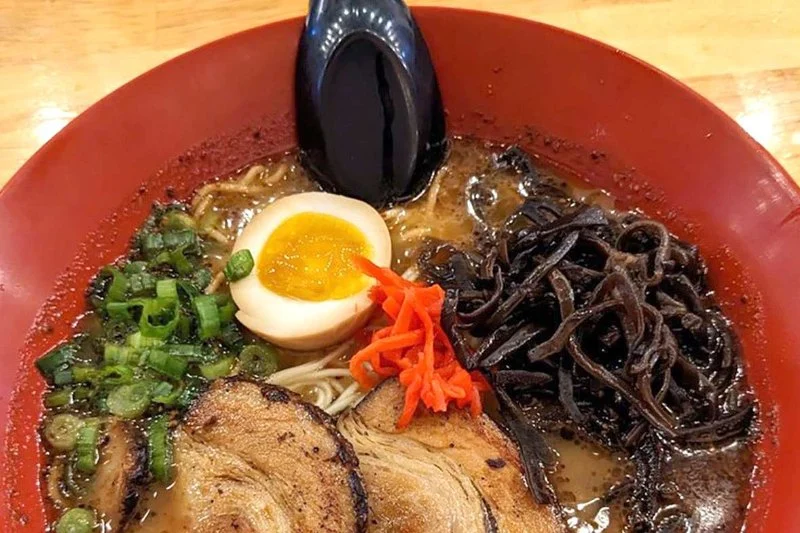
Platforms like Instagram and TikTok have amplified ramen culture dramatically. A perfectly soft-boiled egg yolk or steaming pork bone broth shot can turn a local shop into a national sensation overnight.
Regional Ramen Styles Across America
West Coast: Innovation Meets Tradition
In cities like Los Angeles and San Francisco, ramen often blends Japanese tradition with Californian creativity. Think truffle oil tonkotsu or vegan miso ramen with organic vegetables.
East Coast: Authentic and Bold
New York ramen shops tend to lean toward traditional Japanese techniques. Chefs often train in Japan before opening restaurants in the U.S., bringing authentic shio and shoyu styles to American diners.
Midwest: Comfort-Focused Bowls
Chicago and surrounding cities emphasize hearty, comforting ramen bowls that match colder climates—rich broths, thicker noodles, and generous toppings.
Understanding Ramen Flavor Profiles Like a Pro
Tonkotsu: Deep and Creamy
Made from pork bones boiled until emulsified, tonkotsu ramen delivers a creamy, almost milk-like broth that coats the noodles beautifully.
Shoyu: Light but Complex
Shoyu ramen uses soy sauce-based broth, offering a balanced, slightly salty flavor that highlights subtle ingredients.
Miso: Bold and Earthy
Miso ramen brings fermented depth and richness, often paired with corn, butter, and vegetables for a hearty experience.
Real Stories Behind Ramen Obsession
A well-known story in the ramen community comes from a small shop in Seattle that started with just five tables. Within months of opening, their signature spicy miso bowl went viral on food blogs. People lined up for hours, some traveling from neighboring states just to try it once.
Another example comes from Los Angeles, where a former sushi chef opened a ramen bar inspired by his grandmother’s recipes. The restaurant quickly became one of the most buzzworthy ramen restaurants in America due to its emotional storytelling and deeply layered broths.
These stories highlight something important: ramen is not just food—it’s experience, memory, and craftsmanship combined in a single bowl.
Modern Fusion Trends in Ramen Cuisine
Today’s ramen scene is evolving beyond tradition. Chefs experiment with ingredients like lobster, foie gras, plant-based proteins, and even Mexican-inspired spices.
Some of the most talked-about ramen bowls now include cheese-infused broths, spicy kimchi ramen, and even cold ramen salads designed for summer dining.
This evolution keeps ramen exciting and ensures its place in America’s fast-changing food landscape.
How to Choose the Right Ramen Spot
1. Check Broth Style First
Decide whether you prefer rich, light, or spicy profiles. This immediately narrows down your options.
2. Look for Noodle Freshness
Freshly made noodles significantly elevate the dish. Many top ramen restaurants in America proudly showcase their noodle-making process.
3. Evaluate Balance of Toppings
A great ramen bowl balances protein, egg, vegetables, and broth harmony—not just quantity.
Where Food Lovers Go Next
Food communities like Brunch & Snack Chat have become essential for discovering trending ramen spots across the U.S. Instead of relying solely on reviews, diners now explore curated recommendations, chef highlights, and hidden gems shared by real food enthusiasts.
This shift has helped many lesser-known ramen shops gain recognition and join the ranks of the most buzzworthy ramen restaurants in America.
Why Ramen Continues to Dominate Food Trends
Ramen remains popular because it adapts. It can be traditional or experimental, affordable or luxury, quick or deeply immersive. This flexibility ensures it appeals to nearly every type of diner in America.
From college students seeking comfort food to food critics analyzing broth complexity, ramen has something to offer everyone.
As more chefs enter the scene, the competition continues to elevate quality and creativity, making the ramen landscape more exciting than ever.

 Lavittas4.0 (11 reviews)
 Simply Honest Cafe4.0 (123 reviews)
 Ten Dragon3.0 (64 reviews)
 Oh K-Dog NYC4.0 (811 reviews)
 Mizu Hibachi & Sushi4.0 (240 reviews)
 Social Junkie3.0 (297 reviews)
 Best Mediterranean Restaurants in the US for Healthy Eating
 Best Steakhouse for Unforgettable Dining Experiences
 Why Dessert Spots Offer an Unforgettable Experience for Food Lovers
 Your Ultimate Guide to Snack Ideas: Healthy, Sweet, and Savory Snacks
 From Street Eats to Fine Dining: Hidden Gem Restaurants You Need to Visit
 Your Ultimate Guide to Casual Cafes