
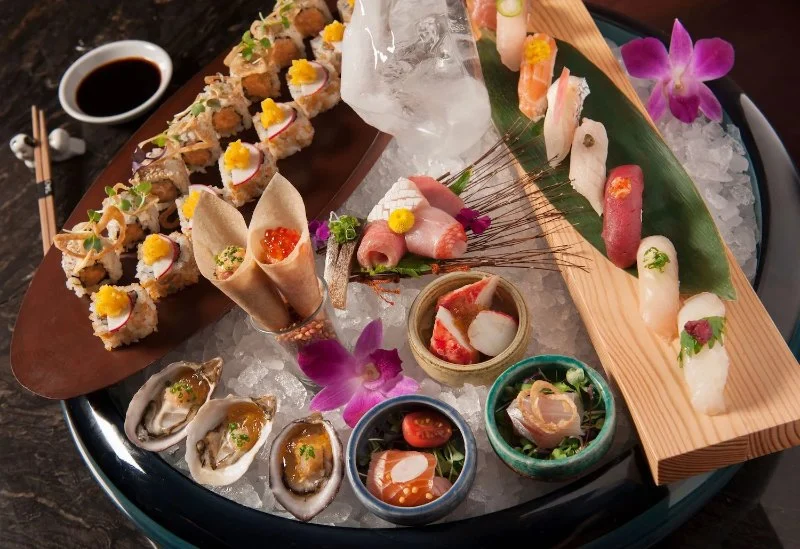
Best Sushi Spots With Seasonal Fish Selections That Truly Change With the Ocean
- seasonal-sushi-basics - Understanding why sushi menus shift with the seasons and ocean harvest cycles
- how-chefs-choose-fish - Inside the decision-making process of sushi chefs when selecting seasonal fish
- top-sushi-experiences - What defines the best sushi spots with seasonal fish selections in real dining experiences
- regional-sushi-styles - How different cities and sushi traditions influence seasonal menus
- real-dining-stories - Customer experiences and chef philosophies behind seasonal sushi omakase
Why Seasonal Fish Matters More Than Most People Realize
Walking into a serious sushi restaurant in Tokyo or even a high-end counter in the U.S., one detail stands out immediately: the menu rarely stays the same. Unlike standard dining where consistency is the goal, sushi built around seasonal fish selections is intentionally fluid. What you eat in spring might disappear entirely by winter, replaced with something that just came into its peak condition in colder waters.
This approach is not a marketing trick. It is rooted in the Japanese concept of shun, meaning the exact moment when an ingredient is at its absolute best. The best sushi spots with seasonal fish selections operate like living systems, constantly adapting to ocean temperatures, migration patterns, and regional availability.
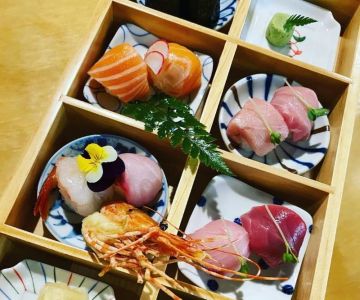
A well-known example often discussed among sushi enthusiasts is how fatty tuna (otoro) peaks differently depending on water temperature shifts. Chefs in premium omakase restaurants adjust their sourcing weekly, sometimes even daily, based on subtle changes in fat distribution and texture.
How Top Sushi Chefs Decide What Makes It Onto the Menu
1. Ocean Temperature and Migration Patterns
Sushi chefs closely track marine conditions, sometimes relying on suppliers who have generations of experience reading ocean behavior. Fish like sea bream, mackerel, or amberjack do not taste identical year-round. Their fat content, firmness, and even aroma shift with temperature.

Kennedy Chicken & Burgers
New YorkNew York CountyNew York
2150 Frederick Douglass Blvd, New York, NY 10026, USA
2. Freshness Windows That Last Only Days
In many high-end sushi kitchens, the definition of “fresh” is not just about delivery timing. It is about catching fish within a narrow window where flavor compounds are most balanced. Once that window passes, the fish may still be edible—but no longer ideal for premium sushi.
3. Chef Philosophy and Personal Taste
Some chefs prefer bold seasonal transitions, while others maintain subtle continuity. For example, a chef in Osaka may favor stronger winter flavors like richer mackerel, while a coastal California sushi bar might lean toward lighter spring selections with delicate white fish.
This philosophy is why the best sushi spots with seasonal fish selections often feel like artistic experiences rather than simple meals.
Real Dining Experience: A Night at a Seasonal Omakase Counter
A traveler visiting San Francisco once described an unforgettable omakase dinner where the entire menu changed midway through service. The chef paused between courses, explaining that a new shipment of fish had just arrived from Hokkaido that morning. The earlier plan was adjusted on the spot.
Instead of serving the originally planned lean tuna course, the chef introduced freshly aged yellowtail with a citrus garnish inspired by winter harvest traditions. Guests were not just eating—they were witnessing real-time culinary adaptation.
This is the essence of seasonal sushi dining: unpredictability guided by precision.
What Makes the Best Sushi Spots Stand Out
1. Direct Supplier Relationships
Top restaurants often bypass large distributors and work directly with fishermen. This ensures access to fish that never enters mass markets. Some chefs even receive text updates from fishing ports about early morning catches.
2. Aging and Preparation Techniques
Not all seasonal fish is served immediately. Certain species like tuna or snapper benefit from controlled aging, which enhances umami depth. The difference between a standard sushi bar and elite establishments often lies in how they handle this process.
3. Rice Pairing Adjustments
Even sushi rice is modified seasonally. Vinegar ratios may shift slightly depending on fish fat content. This subtle balance ensures that seasonal fish selections are always supported, never overshadowed.
Seasonal Fish Guide: What You Might Expect Throughout the Year
Spring Selections
Spring often introduces lighter, cleaner flavors. Fish like sea bream and young bonito appear frequently. These are chosen for their delicate texture and refreshing taste profiles that match seasonal renewal.
Summer Selections
Warmer months bring richer ocean flavors. Spanish mackerel and eel are common, often prepared with slightly stronger seasoning to balance humidity-driven appetite shifts.
Autumn Selections
Autumn is considered peak flavor season for many fish. Fat content increases naturally, making selections like tuna especially prized. Many sushi enthusiasts consider this the best time for omakase dining.
Winter Selections
Winter menus often emphasize deep, comforting flavors. Yellowtail and certain shellfish dominate, delivering richness that pairs with colder weather dining traditions.
Why Seasonal Sushi Feels Different Emotionally
There is a psychological aspect to eating at the best sushi spots with seasonal fish selections. Guests often report feeling more present during the meal. The awareness that a dish exists only briefly creates a sense of urgency and appreciation.
This experience is similar to visiting a seasonal art exhibition. You are not just consuming—you are participating in a moment that will not repeat in exactly the same way.
Food critics have noted that this emotional connection is part of why seasonal sushi experiences tend to stay in memory longer than standardized dining formats.
Common Misunderstanding About Seasonal Sushi
A frequent misconception is that seasonal sushi is simply about “freshness.” While freshness matters, the real value lies in alignment. A fish can be extremely fresh yet still out of season and therefore lacking in optimal flavor.
Another misunderstanding is that seasonal menus are unpredictable in a negative way. In reality, skilled chefs design their menus with flexibility in mind, ensuring every possible variation maintains balance and quality.
When Seasonal Sushi Becomes a Cultural Experience
In Japan, seasonal dining is tied to cultural identity. Festivals, weather transitions, and even poetry traditions reference seasonal ingredients. Sushi becomes part of this larger cultural rhythm.
Internationally, restaurants inspired by this philosophy are now emerging in cities like Los Angeles, New York, and London. These spots often attract diners seeking more than food—they are looking for connection to nature’s cycles.
Some of these experiences are highlighted through curated dining communities such as Brunch & Snack Chat, where food enthusiasts explore evolving seasonal menus and discover emerging sushi spots that prioritize authenticity.
What to Look for When Choosing a Seasonal Sushi Restaurant
Transparency in Sourcing
Restaurants that openly discuss fish origin and seasonality are more likely to maintain authentic practices.
Menu Flexibility
If a menu never changes, it is unlikely to reflect true seasonal sourcing. Dynamic menus often indicate closer alignment with ocean cycles.
Chef Interaction
Direct conversation with the chef often reveals how seriously a restaurant treats seasonal ingredients.
Why This Approach Is Growing in Popularity
As diners become more educated about food sourcing, demand for authenticity has increased. Seasonal sushi represents a return to craftsmanship in a world dominated by standardization.
Social media has also amplified awareness. Viral videos of chefs adjusting menus mid-service or receiving rare fish deliveries have introduced global audiences to this culinary philosophy.
This growing appreciation ensures that the best sushi spots with seasonal fish selections will continue to evolve and gain recognition internationally.
Final Reflection on Seasonal Sushi Dining
Experiencing seasonal sushi is less about following a fixed list of dishes and more about trusting the rhythm of nature through a chef’s expertise. Each visit can feel different, even at the same restaurant, which is part of its lasting appeal.
For anyone exploring sushi beyond casual dining, seeking out restaurants that embrace seasonal fish selections can completely change how seafood is perceived. It transforms meals into moments tied to time, place, and ocean cycles.

 Whataburger3.0 (2349 reviews)
 THE GRILL4.0 (773 reviews)
 healthy choice pizza cafe4.0 (54 reviews)
 Carrot Express4.0 (211 reviews)
 New Ranch4.0 (343 reviews)
 Cowboys & Indians4.0 (1182 reviews)
 Best Chinese Noodle Restaurants You Should Visit in the US
 Food Trends: Tips, Trends, and Secrets - Stay Ahead in 2025
 Best Places for a Classic American Steak Dinner
 From Street Eats to Fine Dining: Romantic Dining Ideas
 Fine Dining: Tips, Trends, and Secrets for an Elevated Culinary Experience
 Pizza Places Every Food Lover Should Know