
Where Food Becomes a Journey: Fine Dining for Travelers Who Taste the World
- what-defines-modern-fine-dining-experiences-for-foodie-travelers
- michelin-star-restaurants-and-global-culinary-landmarks-worth-traveling-for
- story-driven-dining-and-the-rise-of-experience-focused-gourmet-culture
- how-to-choose-restaurants-that-offer-authentic-foodie-travel-moments
- real-travel-stories-from-world-class-fine-dining-experiences
The Meaning of Fine Dining in Today’s Travel Culture
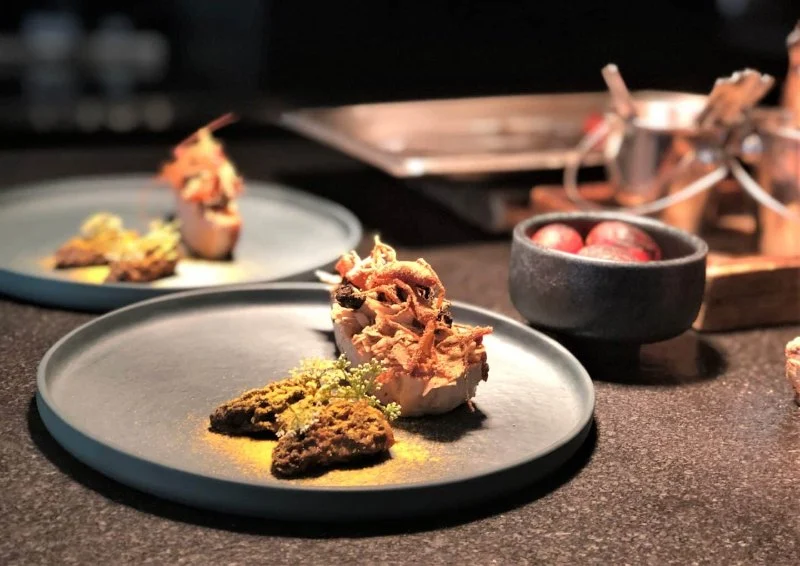
For modern travelers, best fine dining experiences for foodie travelers are no longer just about expensive plates or formal service. They have become immersive journeys where flavor, culture, storytelling, and setting merge into a single memory. A meal in Tokyo, Paris, or New York is not just food—it is a cultural translation served on porcelain.
In the past, fine dining was often associated with exclusivity and strict etiquette. Today, however, it is more about emotional connection. A traveler might remember a perfectly aged piece of Wagyu in Japan as vividly as they remember climbing Mount Fuji. The experience becomes part of the destination itself.
This shift has transformed how foodie travelers plan trips. Restaurants are now booked months in advance not only for the cuisine but for the narrative they deliver.

Michelin-Starred Icons That Define Global Culinary Travel
Paris: The Emotional Home of Haute Cuisine
Paris remains one of the strongest anchors in any discussion of luxury restaurants and fine dining. Restaurants like Guy Savoy and L’Arpège are not just dining spaces—they are culinary institutions. Each dish reflects centuries of refinement.
A traveler once described dining in Paris as “listening to silence expressed through flavor.” That kind of emotional reaction is what elevates a meal into a lifelong memory.
Tokyo: Precision as an Art Form
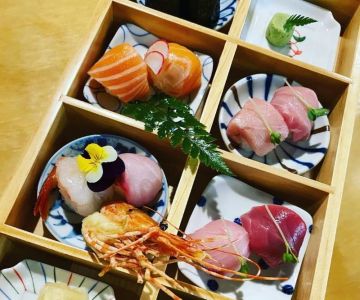
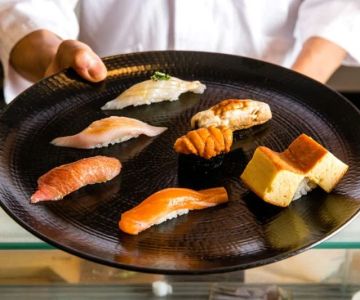
Tokyo’s fine dining culture is built on precision and discipline. Sushi counters in Ginza or kaiseki restaurants in Kyoto reflect a philosophy where every movement matters. Ingredients are seasonal, presentation is intentional, and timing is sacred.
Foodie travelers often find Tokyo’s dining experience more meditative than indulgent. It teaches patience and appreciation for detail rather than excess.
New York: Innovation Without Boundaries
New York City represents experimentation. From Michelin-starred tasting menus in Manhattan to fusion-driven restaurants in Brooklyn, the city redefines what modern fine dining can be.
Here, a single tasting menu might blend Korean fermentation techniques with French plating aesthetics. The result is a constantly evolving culinary landscape.
How Storytelling Became the Heart of Fine Dining
From Plates to Narratives
One of the biggest shifts in the culinary world is storytelling. Chefs are no longer just cooks—they are narrators. Each dish is designed to communicate origin, memory, or cultural identity.
For example, a seafood dish might represent a coastal childhood memory of a chef growing up in Spain, while a dessert might reinterpret traditional family recipes passed down for generations.
The Emotional Layer of Food
This emotional storytelling is what makes culinary travel experiences so powerful. Travelers don’t just taste ingredients—they experience the chef’s perspective on life.
A well-known example comes from a Copenhagen restaurant that builds its entire tasting menu around foraged Nordic ingredients. Diners often describe the experience as “eating the landscape itself.”
Choosing Restaurants That Create Meaningful Travel Moments
Understanding the Purpose of the Experience
Not every restaurant is designed for spectacle. Some focus on comfort, others on innovation, and some on cultural preservation. The key for travelers is identifying what kind of memory they want to create.
A romantic anniversary dinner in Italy might call for a vineyard-based tasting menu, while a solo traveler in Bangkok might prefer a chef’s counter experience where interaction is part of the meal.
Balancing Popularity and Authenticity
While Michelin stars and global rankings help guide expectations, they should not be the only factor. Some of the most memorable meals happen in small, family-run establishments that never appear on international lists.
The best approach is a balance—mixing iconic restaurants with local discoveries.
Real Travel Story: A Table in Barcelona That Changed Perspective
A traveler visiting Barcelona once booked a table at a highly regarded tasting restaurant known for Catalan-inspired innovation. Expecting a traditional fine dining experience, they instead encountered a menu designed around childhood memories of the chef.
One dish recreated the flavors of a seaside picnic using modern culinary techniques. Another reflected market-fresh produce arranged like a visual painting. The traveler later described the experience as “a conversation between past and present served course by course.”
This moment illustrates why best fine dining experiences for foodie travelers are not just about taste—they are about emotional resonance.
Why Fine Dining Is Becoming a Core Part of Travel Planning
Food as a Cultural Gateway
Food has become one of the most direct ways to understand a destination. Instead of only visiting museums or landmarks, travelers now explore cities through their kitchens.
The Rise of Culinary Tourism
Culinary tourism is one of the fastest-growing segments of global travel. People plan entire itineraries around reservations at specific restaurants, sometimes even choosing destinations based on dining opportunities.
In this evolving landscape, platforms like Brunch & Snack Chat help travelers discover curated dining ideas, seasonal food trends, and restaurant inspirations tailored to modern foodie lifestyles.
How to Approach Fine Dining as a Traveler
Be Open to Unexpected Experiences
Some of the most memorable meals come from spontaneity. A small detour into a neighborhood bistro or a recommendation from a local can sometimes surpass a planned Michelin reservation.
Engage With the Story Behind the Plate
Asking questions, understanding ingredients, and appreciating cultural context transforms dining from passive consumption into active exploration.
Let Emotion Guide Your Choices
Rather than focusing only on prestige, travelers should consider how they want to feel during the meal—comforted, surprised, inspired, or challenged.
That emotional clarity often leads to more meaningful dining decisions.

 El Parador Cafe4.0 (561 reviews)
 McDonald's3.0 (1600 reviews)
 Mama Ninfa's Tacos Y Tortas2.0 (19 reviews)
 isla5.0 (9 reviews)
 Six Happiness3.0 (72 reviews)
 Krispy Krunchy Chicken4.0 (7 reviews)
 Best Seafood Boils You Must Try This Year
 16 Pizza Places That Are Totally Instagrammable – Best Spots for Your Feed
 Food Trends Every Food Lover Should Know – Top Culinary Trends for 2025
 From Street Eats to Fine Dining: Local Eats
 Dessert Spots That Will Satisfy Every Craving
 11 Dining Experiences That Are Totally Instagrammable