- understanding-wine-menu-basics - learn how restaurant wine lists work
- choosing-wine-based-on-your-preferences - select wine that matches your taste
- talking-to-your-server-or-sommelier - ask questions with confidence
- wine-and-food-pairing-tips - create better dinner combinations
- common-wine-ordering-mistakes - avoid beginner mistakes
- building-confidence-with-restaurant-wine-orders - enjoy the experience
How to Choose the Perfect Wine at a Restaurant With Confidence
1. Understanding Restaurant Wine Menus Before You Order
Walking into a restaurant and opening a wine menu can sometimes feel like reading a foreign language. Rows of unfamiliar names, regions you have never heard of, and prices ranging from affordable to surprisingly expensive can make even experienced diners hesitate. If you have ever wondered how to order wine at a restaurant without feeling overwhelmed, you are not alone.
Many guests worry about choosing the “wrong” bottle, mispronouncing a wine name, or asking questions that might seem basic. The reality is that restaurants expect questions. Wine is meant to enhance a meal and create an enjoyable experience, not become a test of knowledge.
The first step is understanding that most restaurant wine lists are organized in a simple way. They usually separate wines into categories such as red, white, rosé, sparkling, and sometimes dessert wines. Within those categories, wines are often arranged by grape variety, region, or style.

How Restaurant Wine Lists Are Usually Organized
A typical wine menu may include:
- Red wines such as Cabernet Sauvignon, Pinot Noir, Merlot, and Syrah
- White wines such as Chardonnay, Sauvignon Blanc, Riesling, and Pinot Grigio
- Sparkling wines including Champagne and other sparkling varieties
- Rosé wines with lighter and refreshing profiles
- Special selections chosen by the restaurant’s wine team
Instead of focusing only on the name of the wine, pay attention to descriptions. Restaurants often include helpful words such as “crisp,” “bold,” “fruity,” “dry,” “smooth,” or “full-bodied.” These words describe the experience you can expect from the wine.

Why Price Does Not Always Mean Better Wine
One of the biggest misunderstandings about ordering wine is believing that the most expensive bottle must be the best choice. A higher price can reflect factors like production methods, age, rarity, or reputation, but it does not automatically mean it will match your meal or personal taste.
A moderately priced wine that fits your preferences may create a much better dining experience than an expensive bottle chosen only because of its reputation.
2. Choosing Wine Based on Your Personal Taste
The easiest way to order wine confidently is to start with yourself. Before worrying about grape names or regions, think about what flavors you already enjoy.
If you usually prefer sweet drinks, you may enjoy wines with fruity notes or a softer finish. If you enjoy black coffee, dark chocolate, or bold flavors, you may prefer richer and more structured wines.
Questions to Ask Yourself Before Ordering
Consider these simple questions:
- Do I prefer red wine, white wine, rosé, or sparkling wine?
- Do I like lighter flavors or stronger flavors?
- Do I prefer something dry or slightly sweet?
- Am I drinking wine with food or enjoying it by itself?
- What price range feels comfortable?
Knowing even a few answers can make choosing a bottle much easier.
Using Familiar Wines as a Starting Point
If you are new to wine, familiar varieties can be a helpful starting point. For example, someone who enjoys refreshing citrus flavors might enjoy Sauvignon Blanc, while someone who likes smooth and rich flavors might prefer a Cabernet Sauvignon or a Malbec.
There is no requirement to explore complicated wine regions immediately. Many wine lovers developed their preferences by simply trying different styles over time.
3. Talking to Your Server or Sommelier Without Feeling Nervous
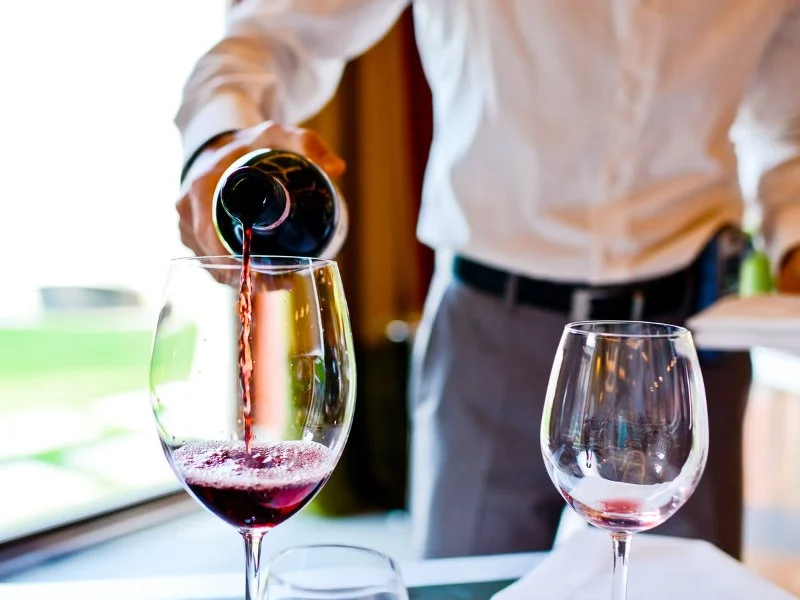
A major part of learning how to order wine at a restaurant is becoming comfortable with communication. Servers and sommeliers are there to help guide your choice.
You do not need to use technical wine vocabulary. In fact, describing what you like in everyday language is often more useful.
Simple Questions That Work Well
You can ask:
- “What wine pairs well with this dish?”
- “Which red wine would you recommend for someone who likes smooth flavors?”
- “Do you have a lighter white wine option?”
- “What is a popular choice from this list?”
- “Can you recommend something in this price range?”
These questions show that you care about finding the right experience, not that you lack knowledge.
How to Discuss Your Budget Naturally
Some guests feel uncomfortable mentioning price. However, restaurants understand that every customer has a different budget.
A simple approach is pointing to a wine on the menu and saying, “I would like something around this price range.” A professional server will usually recommend options that match your expectations.
The goal is not to impress other people at the table. The goal is to enjoy a wine that makes your meal better.
4. Wine and Food Pairing Tips for Better Dining Experiences
Wine pairing does not have to be complicated. While experts can analyze acidity, tannins, and flavor structures in detail, beginners can use a few practical guidelines.
Matching Light Foods With Light Wines
Lighter dishes often work well with lighter wines. Seafood, salads, and delicate chicken dishes commonly pair nicely with crisp white wines or lighter reds.
Matching Rich Foods With Fuller Wines
Heavier dishes such as steak, roasted meats, and rich sauces often pair well with fuller-bodied red wines because the stronger flavors can balance each other.
Considering Sauce Instead of Only the Main Ingredient
A common mistake is focusing only on the protein. The sauce and seasoning can influence the best wine choice.
For example, grilled chicken with a creamy sauce may pair differently than grilled chicken with a spicy tomato sauce. The complete dish matters.
5. Common Wine Ordering Mistakes Beginners Should Avoid
Everyone makes mistakes while learning about wine. The important thing is understanding that wine is a personal experience.
Choosing Wine Only Because It Is Popular
A famous wine is not always the right wine for you. Trends change, and popular choices may not match your personal preferences.
Being Afraid to Ask Questions
Many beginners stay silent because they worry about appearing inexperienced. However, asking questions is one of the fastest ways to learn.
Ignoring the Occasion
The best wine choice depends on the situation. A casual lunch, romantic dinner, business meal, or celebration may call for different styles.
Ordering More Than You Need
If you are dining with a small group, consider whether a bottle makes sense or whether ordering wine by the glass allows everyone to explore different options.
6. Building Confidence With Restaurant Wine Orders
Confidence with wine comes from experience, not memorizing hundreds of grape varieties. Every bottle you try teaches you something about your preferences.
Many wine enthusiasts started exactly where beginners are today: looking at a restaurant menu and wondering what to choose.
A Realistic Example of a First-Time Wine Experience
Imagine someone celebrating an anniversary at a restaurant. They enjoy fruity cocktails but rarely drink wine. Instead of choosing randomly, they tell the server they want a smooth wine that is easy to enjoy with dinner.
The server recommends a bottle that matches their meal and taste preferences. The couple discovers a new favorite style, not because they knew complicated wine terminology, but because they communicated what they wanted.
This is the ideal restaurant wine experience. It is about discovery, enjoyment, and sharing a memorable meal.
Learning More Through Food and Dining Experiences
Exploring restaurants, tasting different dishes, and learning from knowledgeable dining communities can make wine selection easier over time. Platforms like Brunch & Snack Chat can help guests discover dining ideas, restaurant experiences, and food-related inspiration while developing a better understanding of enjoyable pairings.
Final Thoughts on Ordering Wine With Confidence
Learning how to order wine at a restaurant without feeling overwhelmed is less about becoming a wine expert and more about understanding your own preferences. Start with simple questions, communicate honestly, and remember that the best wine is the one you enjoy.
Whether you are planning a special dinner, exploring new restaurants, or simply trying something different, choosing wine can become an enjoyable part of dining rather than a stressful decision. Take your time, ask for recommendations, and continue exploring new flavors to find the styles that fit your taste.

 Wonder Lower East Side4.0 (69 reviews)
 McDonald's3.0 (513 reviews)
 Due West4.0 (401 reviews)
 noda4.0 (152 reviews)
 Kingwuu4.0 (18 reviews)
 Cafe Evergreen4.0 (262 reviews)
 Best Restaurants for Casual Date Nights: Cozy, Fun & Affordable Spots
 代码How to Eat Healthy at Fast Food Restaurants Without Feeling Deprived
 Best Mediterranean Brunch Spots With Fresh Pastries
 Restaurant Reviews Every Food Lover Should Know: Discover the Best Dining Spots
 Food Trends That Are Totally Instagrammable in 2025
 Best Lebanese Brunch Spots with Outdoor Patios