
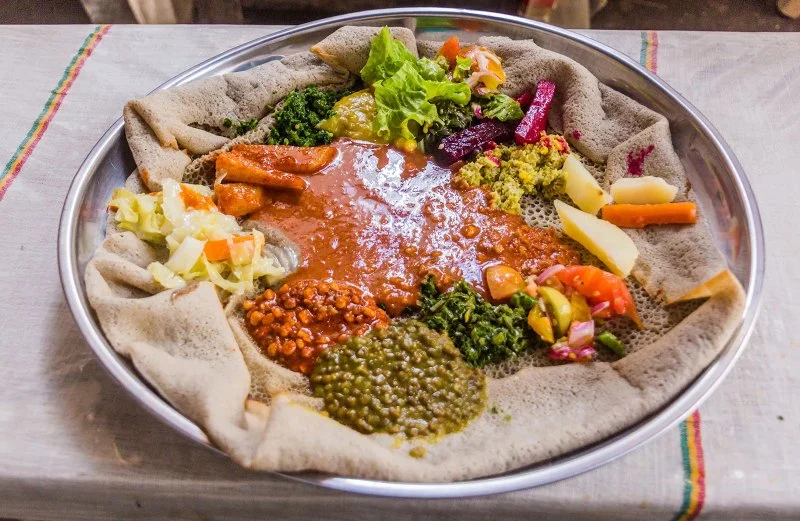
Discover the Culture and Flavor Behind Traditional Ethiopian Injera
- ethiopian-injera-basics
- how-injera-is-made
- what-injera-tastes-like
- how-to-eat-injera-properly
- health-and-nutrition-of-injera
- best-dishes-with-injera
- ethiopian-food-experience-in-america
1. Understanding What Ethiopian Injera Really Is
For many people in the United States, trying Ethiopian food for the first time feels like discovering an entirely new way of enjoying a meal. Instead of using forks, knives, or individual plates filled with separate portions, Ethiopian dining focuses on sharing, connection, and a unique sourdough flatbread called injera. Before you try this traditional food, understanding its history, texture, and cultural importance can make the experience much more enjoyable.
When learning what to know before you try Ethiopian injera, the first thing to understand is that injera is much more than simple bread. It serves as both a plate and a utensil. Large round pieces of injera are placed on a serving tray, and different stews, vegetables, and meats are arranged on top. Diners tear off small pieces of injera with their hands, use them to pick up food, and share the meal together.
In Ethiopian and Eritrean cultures, food is strongly connected to hospitality. A traditional meal is often an opportunity for family members, friends, and guests to spend time together. The act of sharing food from one large platter represents respect and community. For many first-time visitors, this social aspect becomes just as memorable as the flavors themselves.

The Cultural Roots Behind Injera
Injera has been a central part of Ethiopian cuisine for centuries. It is traditionally made from teff, an ancient grain native to the Ethiopian highlands. Teff has been cultivated for thousands of years and remains an important agricultural product because of its ability to grow in challenging environments.
The popularity of Ethiopian cuisine has grown significantly in American cities over the past few decades. Restaurants in places such as Washington, D.C., Los Angeles, Chicago, Seattle, and New York have introduced more diners to authentic Ethiopian dishes. Many food lovers who are searching for new cultural experiences have found that injera offers something different from typical restaurant meals.
A common reaction from first-time diners is surprise. Some people expect bread similar to pita or naan, but injera has a completely different personality. It is soft, slightly spongy, and naturally tangy because of the fermentation process. This combination makes it perfect for absorbing flavorful sauces while adding its own distinctive taste.
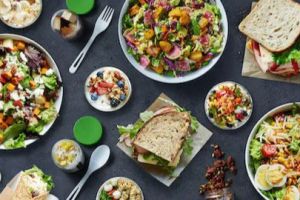
Farmer's Fridge
Located in the main cafeteria near the main lobby entrance, 3535 Olentangy River Rd, Columbus, OH 43214, USA
2. How Traditional Injera Is Prepared
One of the most interesting parts of learning about Ethiopian injera is understanding how much time and skill goes into making it. Although the final product looks simple, creating high-quality injera requires patience, experience, and careful attention to fermentation.
The Role of Fermentation in Injera’s Flavor
Traditional injera begins with teff flour mixed with water to create a batter. Unlike regular pancakes or flatbreads, injera depends on natural fermentation. The batter is allowed to rest for several days, during which beneficial microorganisms create its signature sour flavor and light texture.
The fermentation process is one reason injera feels different from many other breads. The tiny air bubbles throughout the surface create a soft, slightly elastic texture. These small holes are often called “eyes” and help injera absorb the rich sauces from Ethiopian dishes.
The length of fermentation can affect the final taste. A shorter fermentation period may produce a milder flavor, while longer fermentation creates a stronger sour note. Experienced cooks often adjust the process based on climate, temperature, and personal preference.
Cooking Methods That Create Authentic Texture
After fermentation, the batter is poured onto a large circular cooking surface called a mitad. The cook spreads the batter in a spiral motion, creating the thin, round shape that injera is known for. The bread cooks from the bottom while steam helps the top develop its unique texture.
Making injera successfully requires practice. Too much heat can make it dry, while incorrect batter consistency can affect the softness. Many Ethiopian families pass preparation techniques from one generation to another, making injera a food tradition as much as a recipe.
3. What Does Injera Taste Like for First-Time Diners?
If you have never tried Ethiopian food before, you may wonder what injera actually tastes like. The simplest description is that it has a mild sourdough flavor with a slightly earthy quality. The taste is noticeable but not overwhelming, especially when paired with strongly seasoned Ethiopian dishes.
People who enjoy sourdough bread, fermented foods, or tangy flavors often appreciate injera immediately. However, those who expect a neutral bread flavor may need a few bites to adjust. The combination of texture and taste is part of what makes Ethiopian cuisine unique.
Why the Texture Feels Different
The texture of injera is one of its defining characteristics. It is soft, flexible, and slightly chewy, allowing it to wrap around different foods without breaking easily. This makes it ideal for eating dishes with thick sauces and stews.
For someone experiencing Ethiopian cuisine for the first time, the texture may feel unusual compared with American breads. Instead of being crispy like toast or firm like a tortilla, injera has a gentle sponge-like quality that makes every bite more flavorful because it carries the sauce and spices.
(下一条继续输出第2部分正文,保持同一个


 Silver Spoon Take-Out NYC4.0 (5 reviews)
 Royal Seafood4.0 (1352 reviews)
 The Mark Restaurant by Jean-Georges3.0 (305 reviews)
 Ramen Goku - Park Ave South4.0 (467 reviews)
 Tacos Mi Mexico Food Truck4.0 (16 reviews)
 Subway3.0 (210 reviews)
 Seafood Places That Are Loved by Locals: A Guide to the Best Coastal Dining Spots
 From Street Eats to Fine Dining: The Ultimate Foodie Guide
 From Street Eats to Fine Dining: Best Dessert Spots for Every Sweet Tooth
 Your Ultimate Guide to Food Festivals
 Why Dessert Spots Are Essential for an Unforgettable Experience
 From Street Eats to Fine Dining: Discover the Best Casual Cafes in Your City