
Restaurant Accessibility: What to Check Before Dining
On this page
Quick answer
Before dining at an unfamiliar restaurant, confirm the route from parking, drop-off, or sidewalk to an accessible entrance and suitable table. Ask about steps, door access, aisle space, seating options, menu formats, restroom access, and assistance you need. Reserve directly, describe functional requirements clearly, and request written confirmation when a feature is essential to the visit.
Check arrival and entry
Restaurant accessibility is the practical ability to reach, enter, understand, and use a dining space with reasonable safety and dignity. A general “accessible” label may not answer whether the particular route, table, or service fits one diner's needs.
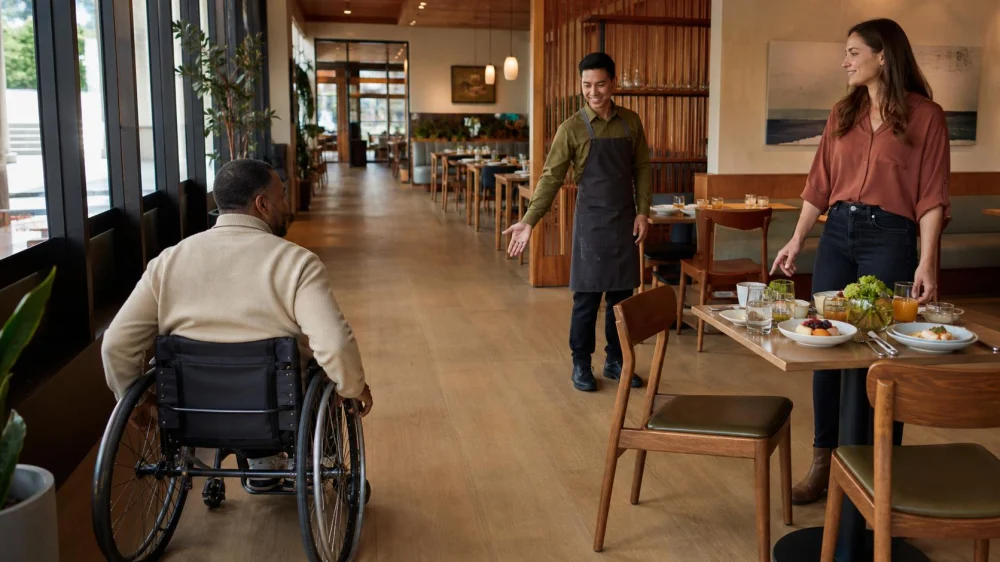
Ask which entrance has a step-free route and whether it is open during your reservation. Confirm the path from accessible parking, passenger drop-off, sidewalk, or transit. Temporary planters, host stands, waiting guests, snow, delivery items, and outdoor furniture can change a route that appears clear in a photograph.
For a heavy or nonautomatic door, ask how assistance is requested. If the dining room is on another level, confirm elevator or lift access and what alternative exists if equipment is unavailable.
Evaluate seating and table service
Describe the space or seating function you need rather than relying only on labels. Useful questions include:
- Can a mobility device reach the table without passing through a narrow service lane?
- Is there knee and foot clearance at the table?
- Can a fixed chair be removed, or is all seating attached?
- Are booths, high-tops, patio tables, and standard-height tables the only choices in a section?
- Can the table be placed away from a speaker, flashing light, strong scent, draft, or crowded walkway?
- Is there secure space for a mobility aid without blocking staff or emergency routes?
Ask the restaurant not to move or handle a mobility device without permission. A companion, aide, or service animal should not be treated as a substitute for communicating directly with the diner.
Ask about menus and communication
Confirm whether the menu is available in a format you can use, such as large print, accessible digital content, or a version that staff can read aloud accurately. A QR code alone may not work for every guest, particularly when the page is difficult to navigate or the dining room has weak connectivity.
For communication access, ask whether staff can use written notes, a quieter area, clear face-to-face speech, captioned content, or another requested method. If ordering depends on a kiosk or tablet, confirm that an equivalent staff-assisted option is available.
For food allergies or texture-related needs, discuss ingredients and preparation separately. An accessible table does not establish that the kitchen can safely meet a dietary request.
Check restrooms and exit routes
Ask whether an accessible restroom is on the same route and available to customers at the time of the visit. Confirm whether a key, code, stairs, elevator, or narrow corridor is involved. If the restaurant relies on a shared building restroom, ask where it is and who controls access.
Know the nearest usable exit and keep aisles clear. During an emergency, follow staff and emergency personnel instructions. When evacuation assistance may be needed, ask the manager about the facility's procedure before the meal rather than improvising during an alarm.
Use a practical reservation checklist
- List essential features. Focus on what must work for the visit.
- Call at a quieter time. Ask for a manager or another person familiar with the physical layout.
- Describe functions. Explain route width, seating, communication, restroom, or environmental needs without disclosing unnecessary medical details.
- Confirm the exact reservation. Match the date, time, party size, entrance, table type, and requested arrangement.
- Request a note on the booking. Ask for written confirmation when a feature is critical.
- Recheck time-sensitive access. Construction, private events, weather, and lift outages can change conditions.
- Have a practical backup. Identify another suitable restaurant when uncertainty would create a serious problem.
Limitations and important notes
- Access needs are individual; another diner's positive experience may not answer your specific question.
- Federal, state, and local requirements vary, and this checklist is not a legal compliance inspection.
- Online photos, reviews, and directory filters can be outdated or incomplete. Confirm essential features directly.
- Do not attempt an unsafe transfer or allow furniture to narrow an emergency route.
- Raise a problem promptly and ask for the manager and a workable alternative. Preserve booking messages if a promised arrangement is unavailable.
Frequently asked questions
Is an accessibility icon enough to choose a restaurant?
No. It can be a useful starting signal, but verify the entrance, route, table, restroom, communication, and any other feature essential to you.
Should I explain my diagnosis when reserving?
Usually you can describe the practical accommodation or feature you need without giving a detailed medical history. Share only information necessary for a safe, workable arrangement.
What if the accessible entrance is locked?
Contact staff and ask them to open the designated route. Do not use a hazardous loading or service route unless the restaurant confirms it is safe and appropriate for customers.
Can I request a quieter table?
Yes. Explain that reduced sound, light, traffic, or scent is important and ask what area is likely to work. Availability can depend on layout and reservation demand.
Does this checklist determine whether a restaurant broke the law?
No. A legal assessment depends on the facility, requested modification, applicable rules, jurisdiction, and facts. A qualified advocate or lawyer can advise on a specific situation.
Conclusion and next steps
Choose restaurants by verifying the complete dining journey, not a single directory label. State essential needs in functional terms, confirm the exact table and route, and keep the response with your reservation. A short direct conversation before booking can reveal whether the everyday experience will be workable.
Evidence note: These recommendations reflect broad accessibility, hospitality, and consumer-planning practices. Current obligations and technical standards come from applicable federal, state, and local rules and the facts of the establishment.


 The Friki TIki4.0 (158 reviews)
 Joseppis Pizza Grove City3.0 (379 reviews)
 Farmer's Fridge0.0 (0 reviews)
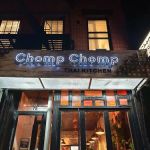 Chomp Chomp Thai kitchen4.0 (339 reviews)
 Yingtao4.0 (155 reviews)
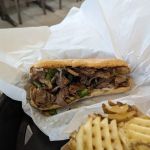 Mr. Hero3.0 (268 reviews)
 How to Find Restaurant Reviews That Are Worth Traveling For
 Best Chinese Restaurants With Fusion Flavors in the U.S.
 Exploring Rooftop Restaurants That Are Totally Instagrammable in the US
 Food Trends That Are Totally Instagrammable in 2025
 Best Sushi Spots With Signature Rolls You Must Try
 Food Festivals: Tips, Trends, and Secrets to Make the Most of Your Experience