
- why-seasonal-salads-matter-in-vegan-restaurants-fresh-plant-based-dining
- farm-to-table-philosophy-behind-vegan-restaurants-and-seasonal-produce
- real-dining-experience-story-discovering-seasonal-vegan-salad-spots
- how-chefs-build-seasonal-menus-with-fresh-vegan-ingredients
- popular-types-of-seasonal-salads-in-plant-based-restaurants
- nutrition-value-and-health-benefits-of-fresh-vegan-seasonal-bowls
- how-to-choose-the-best-vegan-restaurant-for-seasonal-eating
- recommendation-platform-for-curated-vegan-dining-brunch-snack-chat
Why Seasonal Salads Define Modern Vegan Restaurants
The rise of vegan restaurants has completely reshaped how people think about salads. What used to be seen as a simple side dish has evolved into a centerpiece of plant-based dining. The phrase Best Vegan Restaurants With Seasonal Salads is no longer just a search term—it reflects a real shift in how chefs design menus around freshness, sustainability, and flavor cycles.
Seasonal salads are built around ingredients that are harvested at their peak. That means strawberries in spring, tomatoes in summer, squash in fall, and citrus in winter. This natural rhythm creates variety not just in taste but in nutritional value as well. In many modern vegan restaurants, seasonal salads are treated as a creative canvas rather than a fixed recipe.
Farm-to-Table Philosophy Behind Plant-Based Dining
A major reason vegan restaurants focus heavily on seasonal salads is the farm-to-table movement. This approach prioritizes sourcing ingredients directly from local farms, reducing transport time and ensuring maximum freshness. It also supports regional agriculture and reduces environmental impact.
In many kitchens, chefs collaborate weekly with farmers to design menus around what is currently available. Instead of forcing ingredients year-round, they adapt dishes dynamically. This is especially important in plant-based dining, where ingredient quality directly defines the experience of the dish.
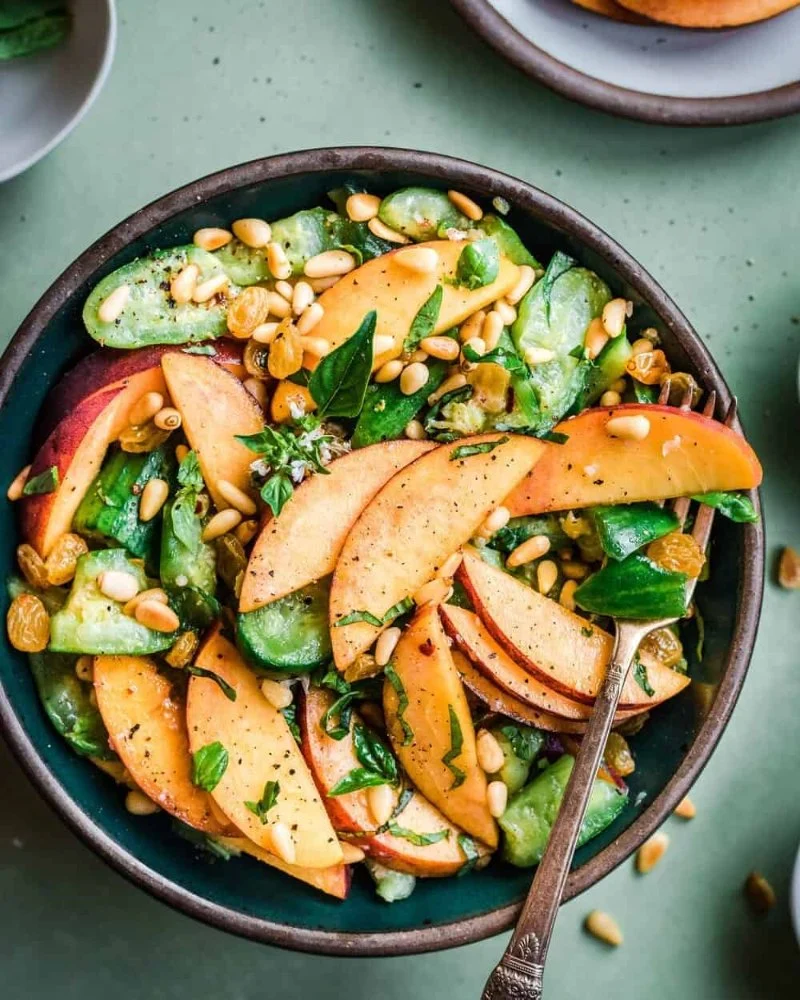
For example, a summer salad might feature heirloom tomatoes, basil, grilled peaches, and hemp seeds, while a winter version could include roasted beets, citrus segments, walnuts, and arugula. The result is a constantly evolving menu that keeps customers returning for something new.
A Real Experience: Discovering Seasonal Vegan Flavor in the City
A personal experience illustrates this shift clearly. While traveling through a coastal U.S. city known for its food culture, I visited a small vegan café that specialized in rotating seasonal salads. There was no fixed menu for greens—it changed daily depending on local harvests.
That day, the salad included roasted delicata squash, quinoa, pomegranate seeds, and a tahini citrus dressing. What stood out was not just the flavor combination but how balanced it felt. Each ingredient had a purpose, and nothing felt unnecessary or artificial.
A fellow diner mentioned she had visited the same restaurant three times in a week, and each salad was completely different. That kind of culinary unpredictability is part of what makes seasonal vegan dining so appealing.
How Chefs Build Seasonal Salad Menus
Creating a seasonal salad menu is more strategic than it may appear. Chefs begin by mapping ingredient availability across months, then layering flavors, textures, and colors to ensure balance in every dish.
A typical approach includes:
1. Selecting a base green such as kale, spinach, or mixed baby greens depending on seasonality.
2. Adding seasonal vegetables or fruits for freshness and natural sweetness.
3. Incorporating protein sources like chickpeas, lentils, tofu, or seeds.
4. Finishing with house-made dressings that complement seasonal flavor profiles.
This structured approach allows vegan restaurants to maintain consistency while still offering variety. It also ensures that every dish aligns with nutritional goals and seasonal freshness.
Popular Types of Seasonal Vegan Salads
Across different vegan restaurants, certain seasonal salad styles consistently appear on menus due to their popularity and adaptability.
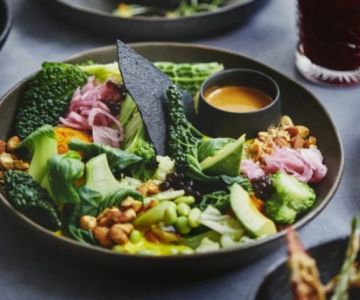
One example is the “harvest bowl,” typically found in autumn menus. It combines roasted vegetables, grains, nuts, and dried fruits to create a warm, filling dish. Another popular type is the summer citrus salad, which uses light greens, berries, and tangy dressings to create a refreshing profile.
Spring salads often focus on tender greens and edible flowers, while winter versions lean into roasted root vegetables and hearty legumes. Each variation reflects not just ingredients but also the emotional tone of the season.
Nutrition Benefits of Seasonal Vegan Eating
Eating seasonal salads at vegan restaurants provides measurable health benefits. Fresh produce harvested at peak ripeness tends to contain higher nutrient density. This means more vitamins, minerals, and antioxidants per serving.
Seasonal eating also naturally diversifies your diet. Instead of consuming the same ingredients year-round, your body receives a rotating mix of nutrients. Many nutritionists suggest that this variety supports better gut health and long-term wellness.
Additionally, plant-based seasonal meals are often lower in processed ingredients, making them easier to digest and more aligned with whole-food dietary patterns.
How to Choose the Best Vegan Restaurant for Seasonal Dining
Not all vegan restaurants emphasize seasonal ingredients equally. Some rely heavily on frozen or imported produce, while others build menus around local harvest cycles.
When evaluating options, it helps to look for restaurants that frequently update their menu or explicitly mention local sourcing. Another indicator is whether the chef discusses farmers or ingredient origins on the menu.
Restaurants that rotate salads weekly or monthly are usually more committed to seasonal cooking principles. These places often deliver more dynamic and flavorful experiences compared to static-menu establishments.
Where Curated Vegan Dining Experiences Come Together
For diners who want a more guided way to discover quality plant-based meals, platforms like Brunch & Snack Chat help connect people with curated vegan dining experiences, including restaurants known for seasonal salads and fresh ingredient sourcing.
This type of curated discovery is especially useful in cities with rapidly evolving food scenes, where new vegan restaurants open frequently and seasonal menus change without much notice.
Ultimately, the appeal of seasonal vegan salads is not just about eating healthy—it’s about experiencing food in sync with nature’s rhythm. Each visit becomes a new discovery, shaped by what the earth offers at that moment.

![['plas]](https://img.brunchatsnackchat.com/d30/2508/86472581895839_150x150.webp) ['plas]4.0 (339 reviews)
['plas]4.0 (339 reviews) Macao Trading Company4.0 (1287 reviews)
 Spin Chicken Rotisserie0.0 (0 reviews)
 Blue Mountain Cuisine4.0 (57 reviews)
 Presitas Taqueria4.0 (117 reviews)
 Gardenia Terrace4.0 (1208 reviews)
 Best Sushi Spots With Luxury Omakase
 Romantic Dining Every Food Lover Should Know
 Food Trends Every Food Lover Should Know
 Fine Dining Secrets Locals Swear By – Discover Hidden Gems & Tips
 Restaurant Reviews Every Food Lover Should Know: Ultimate Guide to Dining Out
 Best Casual Cafes with Amazing Ambiance for Relaxing and Dining