

Restaurant Specials: Ask These Questions Before Ordering
On this page
Quick answer
Before ordering a restaurant special, ask what the main ingredients are, how it is prepared, what comes with it, the price, whether it is a full entrée or smaller plate, and whether it can accommodate any dietary need. “Special” may describe a limited dish, seasonal ingredient, chef feature, bundle, or promotion; it does not automatically mean discounted, larger, fresher, or safer for allergies.
This guide is for diners in the United States choosing an off-menu or limited-time restaurant item. Menus, recipes, kitchen procedures, taxes, fees, and availability vary by restaurant and location. The server or manager is the source for the specific dish being offered that day.

What “special” can mean
A restaurant special is a dish or offer presented outside the regular menu or highlighted for a limited time. It may be written on a board, printed on an insert, posted online, or described verbally by a server.
Common forms include:
- a seasonal dish built around produce, seafood, or another limited ingredient;
- a chef’s preparation that changes with available ingredients;
- a soup, sandwich, pasta, catch, or dessert offered that day;
- a fixed-price combination of courses;
- a time-based promotion, such as a lunch feature; or
- a test dish not yet on the permanent menu.
The word does not reveal price or value. A special may cost less than comparable menu items, but it may also use premium ingredients or include several components and cost more. Asking for the price is ordinary ordering information.

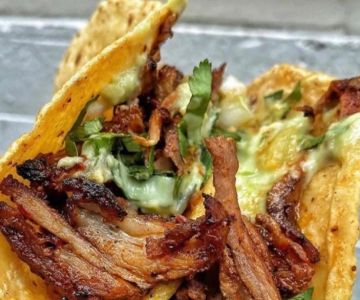
Birrieria y Taqueria Houston (Food Truck)
14029 Eastex Fwy, Houston, TX 77032, USA
Six useful questions to ask
- What are the main components? Ask for the protein, vegetables, starch, sauce, garnish, and prominent flavors. This turns a poetic name into a practical picture.
- How is it cooked? Grilled, fried, roasted, braised, raw, cured, and chilled preparations have different textures and doneness expectations.
- What does it come with? Confirm sides, bread, salad, sauce, and toppings. Ask whether a side is included or separately priced.
- How large is it? Find out whether it is an appetizer, small plate, entrée, sharing dish, tasting portion, or dessert. Exact weights may not be available, so ask how it compares with a regular menu item.
- What is the price? For market-priced food, ask for today’s amount before ordering. If the dish is a bundle, confirm which courses or drinks are included.
- Is it available now? Limited specials can sell out or change during service. Confirm before building the rest of the group’s order around it.
If the description still feels unclear, ask what kind of diner tends to enjoy it: someone who likes rich or light dishes, soft or crisp textures, mild or spicy flavors, or familiar versus adventurous ingredients. The answer is more useful than asking whether it is simply “good.”
Preferences, allergies, and substitutions
State a food allergy clearly before ordering and distinguish it from a preference. Ask the server to check with the kitchen about ingredients and cross-contact procedures. Do not rely on the dish name, appearance, or a casual “should be fine.”
For an allergy or medical dietary restriction:
- name the specific allergen or restriction;
- ask whether it appears in sauces, marinades, breading, garnish, stock, sides, and cooking surfaces;
- ask whether the kitchen can manage the request under its procedures;
- confirm the message when the dish arrives; and
- choose another item or restaurant if the staff cannot provide enough confidence.
A limited special may be harder to modify because components are prepared in advance or quantities are small. Accept a clear “no” rather than pushing the kitchen to promise a change it cannot deliver safely.
For preferences, ask one focused question: whether a sauce can be served on the side, a garnish omitted, or an included side exchanged. Confirm whether the change affects price or preparation time. A substitution may alter the dish’s intended balance, so the server may recommend a regular-menu option instead.
Vegetarian, vegan, gluten-free, halal, kosher, low-sodium, and other labels can mean different things across kitchens. Ask about the exact requirement that matters to you rather than relying only on a broad label.
Confirm price, portion, and pacing
Price: Listen for whether the server stated it. If not, ask directly. For a market-price item, request today’s price and whether preparation choices or sides change it. Also ask about any restaurant-wide charges shown on the menu or ordering page.
Portion: A “chef’s plate” or “feature” does not identify size. If the table plans to share, ask whether the dish divides easily and whether serving utensils or extra plates are available.
Pacing: Some specials take longer because they are cooked to order, baked, rested, or finished in limited batches. Ask about timing if the group has a show, child-care deadline, transportation pickup, or another reservation.
Doneness: If the dish contains meat, fish, eggs, or another item with doneness choices, ask what the kitchen recommends and what options it offers. People at higher risk from foodborne illness should follow current guidance from their clinician and public-health authorities about foods to avoid or request fully cooked.
Availability: A table may hear a special at the start of service and order later. Confirm that it remains available before everyone finalizes choices.
How to ask without slowing the table
Choose the two or three questions that affect your decision most. A concise exchange might cover the main ingredients, preparation, price, and one dietary need. Let the server check with the kitchen rather than asking for an instant guess.
If several diners are interested, one person can ask for the description while others listen. Then decide whether the table wants individual portions or a shared plate. Avoid separate repeated interrogations about the same dish.
When the restaurant is busy, have a backup choice ready. If the special is sold out or cannot be modified, ordering an established menu item may be faster and more predictable.
Confirm the choice in plain language: the name or description of the special, preferred doneness if offered, approved substitution, and quantity. Do not assume the kitchen heard a request that was discussed but not included in the final order.
If the delivered dish differs from the confirmed description, tell the server promptly and politely before eating much of it. For an allergy concern, do not taste the dish to test whether it is safe.
Practical limits and restaurant differences
This advice reflects common restaurant service practice: specials can change daily, verbal descriptions may omit details, and clear questions help match the dish to a diner’s preferences, budget, timing, and dietary needs. It does not evaluate any specific restaurant’s food safety or service.
Only the restaurant can describe its current recipe, supplier, preparation, cross-contact controls, price, and availability. Online photos and old menus may not match the present special. When a health risk is involved, choose the option with clear, current information.
Frequently asked questions
Are restaurant specials always cheaper?
No. “Special” can mean featured or limited rather than discounted. Ask for the price and compare what is included.
Is the daily special made from leftover food?
The label alone cannot tell you why the dish is offered. Restaurants may feature seasonal ingredients, a chef’s idea, a limited purchase, or a promotion. Ask about the dish without assuming poor quality or waste.
What does market price mean?
It means the current selling price may change rather than remain printed. Ask for today’s price and whether size or preparation choices affect it before ordering.
Can I ask for a taste of a special?
You can ask, but tasting may not be possible for a cooked-to-order entrée or limited item. A soup or sauce sample depends on the restaurant’s policy and service conditions.
Should I order the special if the server recommends it?
Use the recommendation as one clue. Ask why it is recommended and compare the flavor, texture, portion, price, and dietary fit with what you want.
How should I handle an allergy with an off-menu special?
State the allergy clearly and ask the server to verify ingredients and cross-contact procedures with the kitchen. If the restaurant cannot provide adequate information or controls, choose a safer alternative.
Next steps
Listen to the full description, then confirm main ingredients, preparation, sides, portion, price, and current availability. State allergies separately from preferences and give the kitchen time to check. Ask about substitutions and timing only when they affect your choice, keep a backup order ready, and confirm the final special and any approved changes before the order goes in.

 Subway2.0 (119 reviews)
 Lin's Fusion4.0 (2948 reviews)
 The Grey Dog - Union Square4.0 (1617 reviews)
 Bubble tea store5.0 (7 reviews)
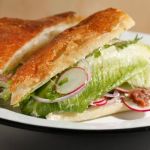 Court Street Grocers4.0 (263 reviews)
 Lakeside BBQ1.0 (1 reviews)
 Best Chinese Restaurants With Authentic Szechuan Flavors in the US
 Your Ultimate Guide to Food Trends: What's Hot in 2026
 Best Brunch Spots With Classic French Toast: Top Places to Enjoy the Ultimate Brunch Experience
 Food Trends That Are Totally Instagrammable: What You Need to Know
 Your Ultimate Guide to Ice Cream Shops
 Why Snack Ideas Locals Swear By | Top Local Snack Trends