

Restaurant Substitutions: Ask Clearly and Respect the Kitchen
Table of contents
Quick answer
Choose a dish that is already close to what you want, then ask for one concrete change before ordering: sauce on the side, a listed side swap, or one ingredient omitted. State whether it is a preference or an allergy, listen when the server explains limits, and accept a simpler alternative if the kitchen cannot guarantee the change. Confirm the modified order once.

Read the menu for built-in options
Restaurants often signal flexibility directly on the menu. Look for a choice of sides, add-ons, preparation styles, vegetarian markers, prix-fixe rules, and notes such as “no substitutions.” An option that is already listed usually fits the kitchen's ingredients, pricing, and workflow better than an invented combination.
Start with the dish that needs the fewest changes. If you want grilled vegetables and light dressing, a salad that already includes both is a better candidate than asking the kitchen to rebuild a composed entrée. Check the online menu before arriving, but verify in person because ingredients and availability can change.

Separate a preference from a safety need
Use accurate language. “I prefer no onions” communicates something different from “I have an onion allergy.” A preference may allow simple removal or a side bowl; a medical restriction requires the restaurant to assess ingredients, preparation surfaces, and cross-contact risk. Do not describe a dislike as an allergy to make the request sound more urgent.
If you have a diagnosed food allergy, tell the server before ordering and name the specific allergen. Ask whether the restaurant can prepare an appropriate dish and follow your personal emergency plan. A substitution that removes a visible ingredient does not prove that the meal is free from cross-contact.
Make one specific request
A short request is easiest to relay: “Could I have the dressing on the side?” or “May I swap the listed fries for the listed fruit cup?” Avoid a chain of negatives that forces the server to reconstruct the dish from memory. If several changes are essential, ask which existing menu item would be simplest.
Ask before the order is sent. Give the server time to check with the kitchen rather than demanding an immediate answer. If there may be an upcharge, ask about it plainly. A respectful format is:
- Name the dish.
- State the single change.
- Clarify preference versus allergy or medical restriction.
- Ask whether the kitchen can accommodate it and what alternative it recommends.
Understand what the kitchen can change
Some components are prepared in advance. Sauces, batters, marinades, soups, fillings, and baked items may already combine ingredients that cannot be removed to order. A garnish can be omitted more easily than an ingredient blended into a base. During a rush, even a technically possible change may introduce delay or error.
The server may offer a different side, a plain preparation, a new dish, or no safe option. Treat that response as useful information. Do not ask staff to “just pick it out,” promise that a tiny amount is fine, or pressure them to guarantee something they cannot verify.
Confirm the final order
Before the server leaves, repeat the dish and one key change: “So that is the grain bowl, dressing on the side.” When the plate arrives, check the visible modification without dismantling the meal. If it appears wrong, pause before eating and ask the server to verify it.
Do not silently move an unwanted ingredient to another plate when allergy risk is involved. Ask for a properly assessed replacement. For a preference-only mistake, decide whether the item can simply be left uneaten or whether the dish genuinely needs correction.
Keep group orders manageable
For a large table, let each diner state their own important restriction, then allow the server to repeat the orders. Avoid speaking over someone who is explaining an allergy. If many guests want custom dishes, call ahead and ask what the restaurant can support for the group.
Shared plates need extra clarity. A personal substitution does not change the ingredients in a communal sauce or garnish. Decide which dishes are safe or suitable before serving spoons begin moving between plates.
Substitution request checklist
- Pick a menu item already close to the desired result.
- Look for listed swaps, add-ons, and no-substitution notes.
- State preference, intolerance, religious practice, or allergy accurately.
- Ask for one concrete change before the order is sent.
- Let the server confirm feasibility with the kitchen.
- Accept an upcharge, alternate dish, or honest refusal without debate.
- Repeat the final dish and critical change once.
- Stop and verify before eating if the plate appears incorrect.
Limits and food-safety cautions
This article provides general dining guidance, not medical advice. Ingredient supply, recipes, kitchen layouts, cross-contact controls, and staff training differ by restaurant and shift. Online menus may be incomplete or outdated, and packaged-food labeling rules do not guarantee that every restaurant dish has the same label information.
Food allergies can cause severe reactions. If symptoms begin after eating a known allergen, the U.S. Food and Drug Administration advises stopping eating, evaluating the need for emergency medication such as epinephrine, and seeking medical attention. Follow the care plan provided by your clinician and call emergency services for a severe reaction.
Frequently asked questions
Is sauce on the side always an easy request?
Often, but not always. A dish may be tossed, marinated, or finished with sauce before service. Ask rather than assuming the component is added only at the end.
Should I offer to pay for a substitution?
You can ask whether there is an upcharge. The restaurant sets pricing based on the replacement ingredient and preparation, so do not assume a swap is free or insist that equal-looking portions cost the same.
What if the server says the kitchen cannot make the change?
Ask which existing dish best meets the goal. A plain side, a simpler entrée, or another restaurant may be a better choice than forcing an uncertain modification.
Can I list every ingredient I dislike?
You can share relevant preferences, but a long exclusion list increases complexity. Choose a simpler dish and identify the one or two changes that matter most.
Sources and practical evidence
- U.S. Food and Drug Administration: Food Allergies
- U.S. Food and Drug Administration: Have Food Allergies? Read the Label
- The restaurant's current menu, ingredient information, allergy process, and direct kitchen confirmation are the primary sources for a specific order.
Conclusion and next steps
Good substitution requests reduce ambiguity. Start close to the menu, name one change, explain whether safety is involved, and let the restaurant give an honest answer. That small structure makes the meal easier for the diner, server, and kitchen—and makes the final plate more likely to match the order.






 Karam gyro halal5.0 (7 reviews)
 Subway4.0 (181 reviews)
 BURGERS & GRILL4.0 (247 reviews)
 Famous Original Rays Pizza3.0 (1890 reviews)
 Dumplings of Fury3.0 (188 reviews)
 El Nuevo Caridad4.0 (1037 reviews)
 How to Find Food Trends Where Every Bite Feels Like Heaven
 Vegan Restaurants That Will Make You Fall in Love with Food: A Culinary Adventure
 Best Places for a Classic American Steak Dinner
 From Street Eats to Fine Dining: Snack Ideas for Every Occasion
 Best Restaurants to Make You Fall in Love with Food
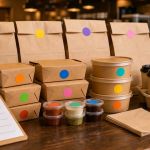 How to Order Takeout for a Group Without Missing Items